






You are here
Kentucky
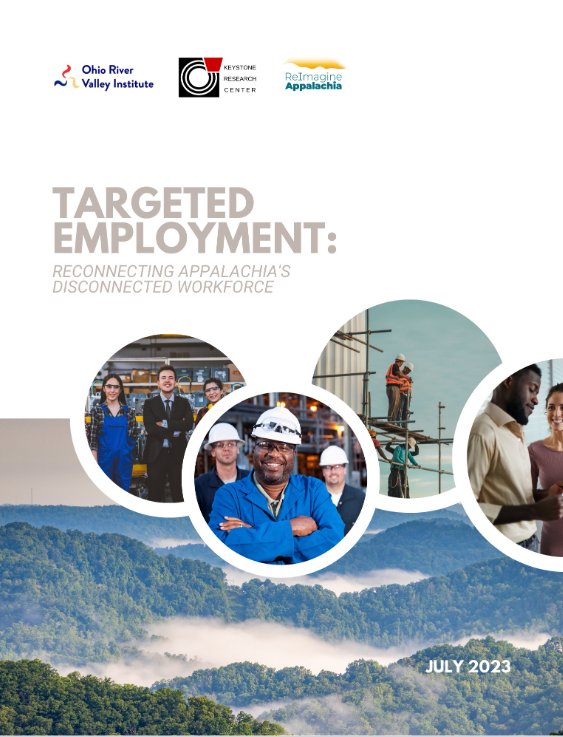 The Appalachian region has long suffered from not having enough good paying jobs. Even when the unemployment rate is low, too many Appalachians are disconnected from the workforce entirely due to a myriad of factors. The result has been a long-term structural unemployment problem that has persisted for decades, with too many Appalachian adults out of the workforce entirely and unable to secure a decent paying job where they live.
 This report looks at this process of power building for just transition in four states: California, Kentucky, Louisiana, and New York. We combine an analysis of the pillars of just transition – strong governmental support, dedicated funding streams, diverse coalitions, and economic diversification – with an analysis of how to change power at a state level that focuses on the conditions that impact possibilities, the community-level capabilities that facilitate effective voice, and the arenas in which power is contested. Ultimately, the fight for a just transition is a fight for justice. And, while we know it will be hard and long, the stories we heard showed how advocates and organizers, often in the face of great odds, come together and force the change that makes people’s lives better. Building upon these efforts through supporting organizing, coalition building, and empowering communities is the blueprint for advancing a just transition. Through these channels, we can transition from a dirty polluting past to a just and healthy future.
The Fine Print I:
Disclaimer: The views expressed on this site are not the official position of the IWW (or even the IWW’s EUC) unless otherwise indicated and do not necessarily represent the views of anyone but the author’s, nor should it be assumed that any of these authors automatically support the IWW or endorse any of its positions.
Further: the inclusion of a link on our site (other than the link to the main IWW site) does not imply endorsement by or an alliance with the IWW. These sites have been chosen by our members due to their perceived relevance to the IWW EUC and are included here for informational purposes only. If you have any suggestions or comments on any of the links included (or not included) above, please contact us.
The Fine Print II:
Fair Use Notice: The material on this site is provided for educational and informational purposes. It may contain copyrighted material the use of which has not always been specifically authorized by the copyright owner. It is being made available in an effort to advance the understanding of scientific, environmental, economic, social justice and human rights issues etc.
It is believed that this constitutes a 'fair use' of any such copyrighted material as provided for in section 107 of the US Copyright Law. In accordance with Title 17 U.S.C. Section 107, the material on this site is distributed without profit to those who have an interest in using the included information for research and educational purposes. If you wish to use copyrighted material from this site for purposes of your own that go beyond 'fair use', you must obtain permission from the copyright owner. The information on this site does not constitute legal or technical advice.
 This site is not the official webpage of the Industrial Workers of the World.