






You are here
green architecture
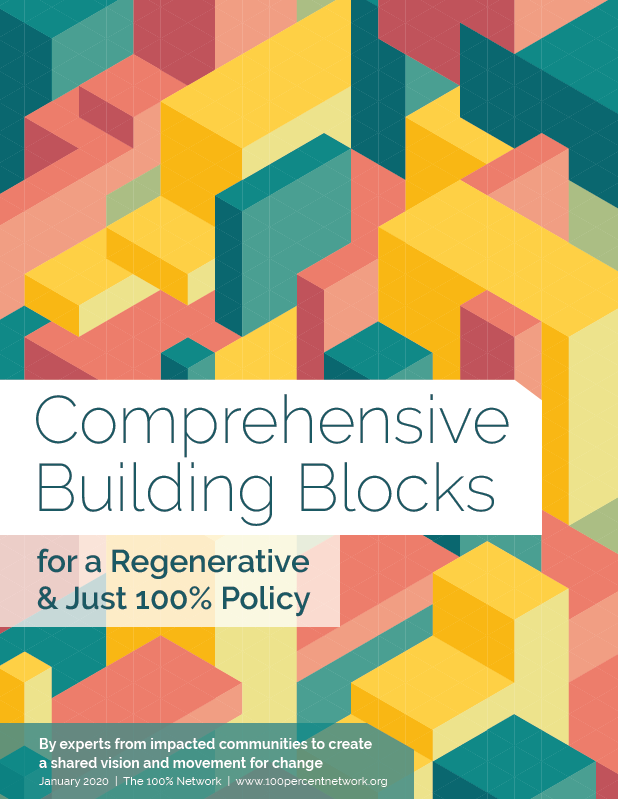 The 100% Network launched a new effort to bring forward and coalesce the expertise from frontline communities into the Comprehensive Building Blocks for a Regenerative and Just 100% Policy. This groundbreaking and extensive document lays out the components of an 100% policy that centers equity and justice.
  Building electrification is gaining traction as California’s most affordable and effective tool to reduce greenhouse gas emissions from homes and buildings—responsible for roughly a quarter of the state’s emissions—while improving air quality and helping the state meet its climate goals, including a net-zero carbon economy and 100 percent clean electricity by 2045.
 EMERGENCY ENVIRONMENTAL/ANTI-GENTRIFICATION MOBILIZATION TOMORROW NOVEMBER 7TH AT 3PM! JACK LONDON AQUATIC CENTER!
  In the last 40 years, polyvinyl chloride plastic (PVC) has become a majorbuilding material. Global vinyl production now totals over 30 milliontons per year, the majority of which is directed to building applications,furnishings, and electronics. The manufacture, use, and disposal of PVC poses substantial and uniqueenvironmental and human health hazards. Across the world, govern-ments, companies, and scientific organizations have recognized the haz-ards of PVC.
The Fine Print I:
Disclaimer: The views expressed on this site are not the official position of the IWW (or even the IWW’s EUC) unless otherwise indicated and do not necessarily represent the views of anyone but the author’s, nor should it be assumed that any of these authors automatically support the IWW or endorse any of its positions.
Further: the inclusion of a link on our site (other than the link to the main IWW site) does not imply endorsement by or an alliance with the IWW. These sites have been chosen by our members due to their perceived relevance to the IWW EUC and are included here for informational purposes only. If you have any suggestions or comments on any of the links included (or not included) above, please contact us.
The Fine Print II:
Fair Use Notice: The material on this site is provided for educational and informational purposes. It may contain copyrighted material the use of which has not always been specifically authorized by the copyright owner. It is being made available in an effort to advance the understanding of scientific, environmental, economic, social justice and human rights issues etc.
It is believed that this constitutes a 'fair use' of any such copyrighted material as provided for in section 107 of the US Copyright Law. In accordance with Title 17 U.S.C. Section 107, the material on this site is distributed without profit to those who have an interest in using the included information for research and educational purposes. If you wish to use copyrighted material from this site for purposes of your own that go beyond 'fair use', you must obtain permission from the copyright owner. The information on this site does not constitute legal or technical advice.
 This site is not the official webpage of the Industrial Workers of the World.