






You are here
publications

 Under a provision of the Inflation Reduction Act, some factories making batteries for electric vehicles will each receive more than a billion dollars per year from the U.S. government, with no requirement to pay good wages to production workers. Thanks to the Advanced Manufacturing Production Credit, also called 45X for its section in the Internal Revenue Code, battery companies will receive tax credits that they can use, sell, or cash out.
 A new report
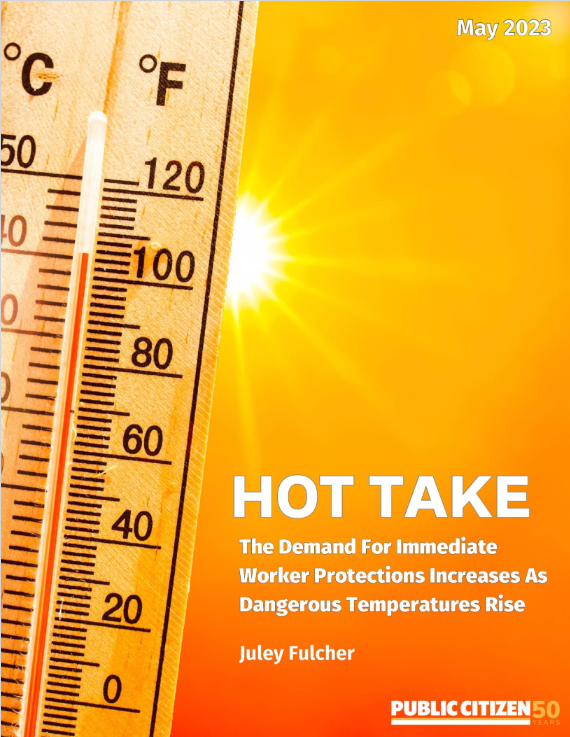
  Extreme heat events are the largest source of weather-related mortality in the United States, with documented impacts on both workers compensation claims, negative health outcomes, and increased emergency department visits. According to the Natural Resources Defense Council (NRDC), approximately 51 million U.S. workers are at high risk to extreme heat based on their occupation, yet only 9 million live in states with permanent workplace heat standards.
 The purpose of this Assembly Bill (AB) 525 Workforce Development Readiness Plan is to provide recommendations for workforce development efforts ahead of the necessary seaport investments and activities identified in the AB 525 Port Readiness Plan.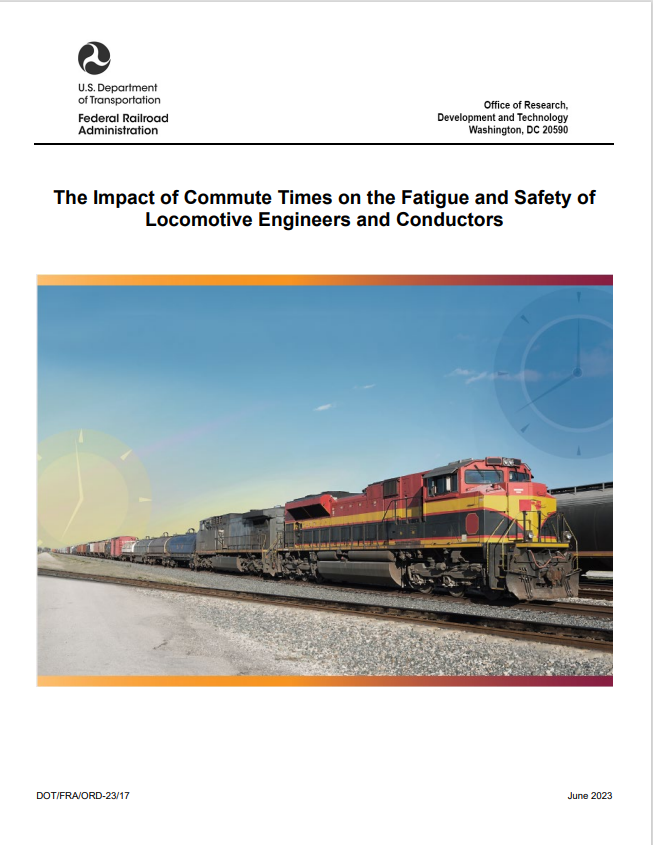
 As one of the most important metals for modern life, aluminum is all around us. From our bridges and high-rise buildings to our smartphones and kitchen appliances, this highly durable, lightweight, and conductive material is essential. It’s also a key ingredient for achieving our climate, jobs, and national security goals. As a primary component of solar panels, power lines, electric vehicles (EVs), and other clean technologies,
  Key Findings
The Fine Print I:
Disclaimer: The views expressed on this site are not the official position of the IWW (or even the IWW’s EUC) unless otherwise indicated and do not necessarily represent the views of anyone but the author’s, nor should it be assumed that any of these authors automatically support the IWW or endorse any of its positions.
Further: the inclusion of a link on our site (other than the link to the main IWW site) does not imply endorsement by or an alliance with the IWW. These sites have been chosen by our members due to their perceived relevance to the IWW EUC and are included here for informational purposes only. If you have any suggestions or comments on any of the links included (or not included) above, please contact us.
The Fine Print II:
Fair Use Notice: The material on this site is provided for educational and informational purposes. It may contain copyrighted material the use of which has not always been specifically authorized by the copyright owner. It is being made available in an effort to advance the understanding of scientific, environmental, economic, social justice and human rights issues etc.
It is believed that this constitutes a 'fair use' of any such copyrighted material as provided for in section 107 of the US Copyright Law. In accordance with Title 17 U.S.C. Section 107, the material on this site is distributed without profit to those who have an interest in using the included information for research and educational purposes. If you wish to use copyrighted material from this site for purposes of your own that go beyond 'fair use', you must obtain permission from the copyright owner. The information on this site does not constitute legal or technical advice.
 This site is not the official webpage of the Industrial Workers of the World.