You are here
Snowchange Cooperative

New Portal on Circumpolar Peatlands, Salmisuo Rescued and Whitefish Seining Under Way
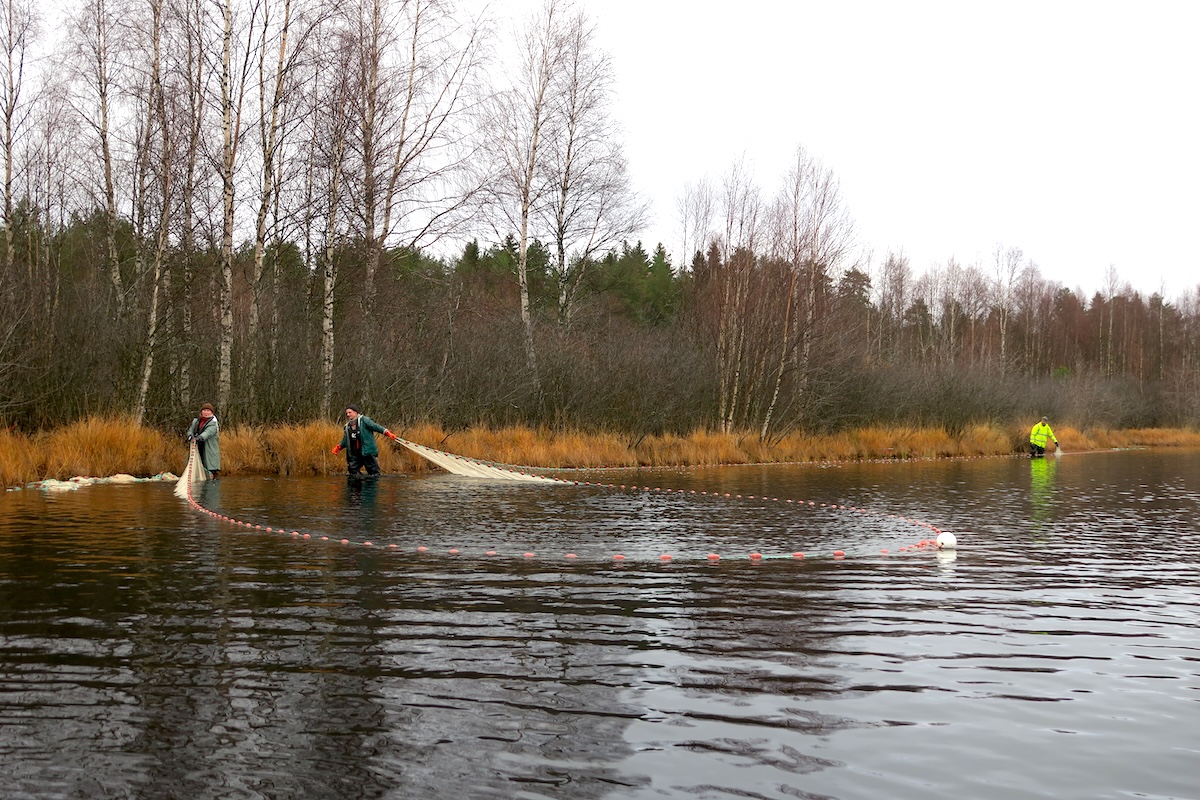
November and beginning of winter is here. Thunder Bay Summit is a success that establishes a new mechanism “Living Peatlands”, meanwhile conservation of large landscape level sites such as Salmisuo in Finnish Sub-Arctic and the whitefish seining start to bring the season to a close. A new science paper documents success with Indigenous management of Atlantic Salmon.
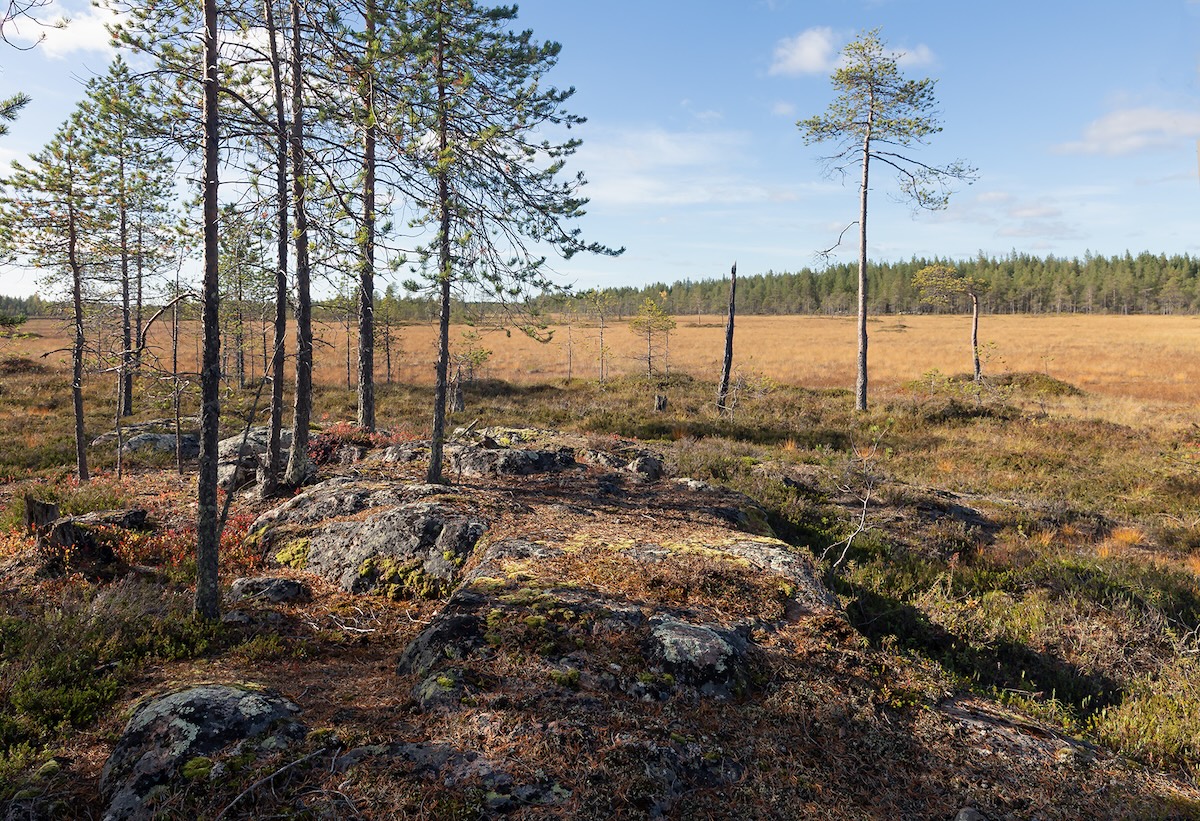
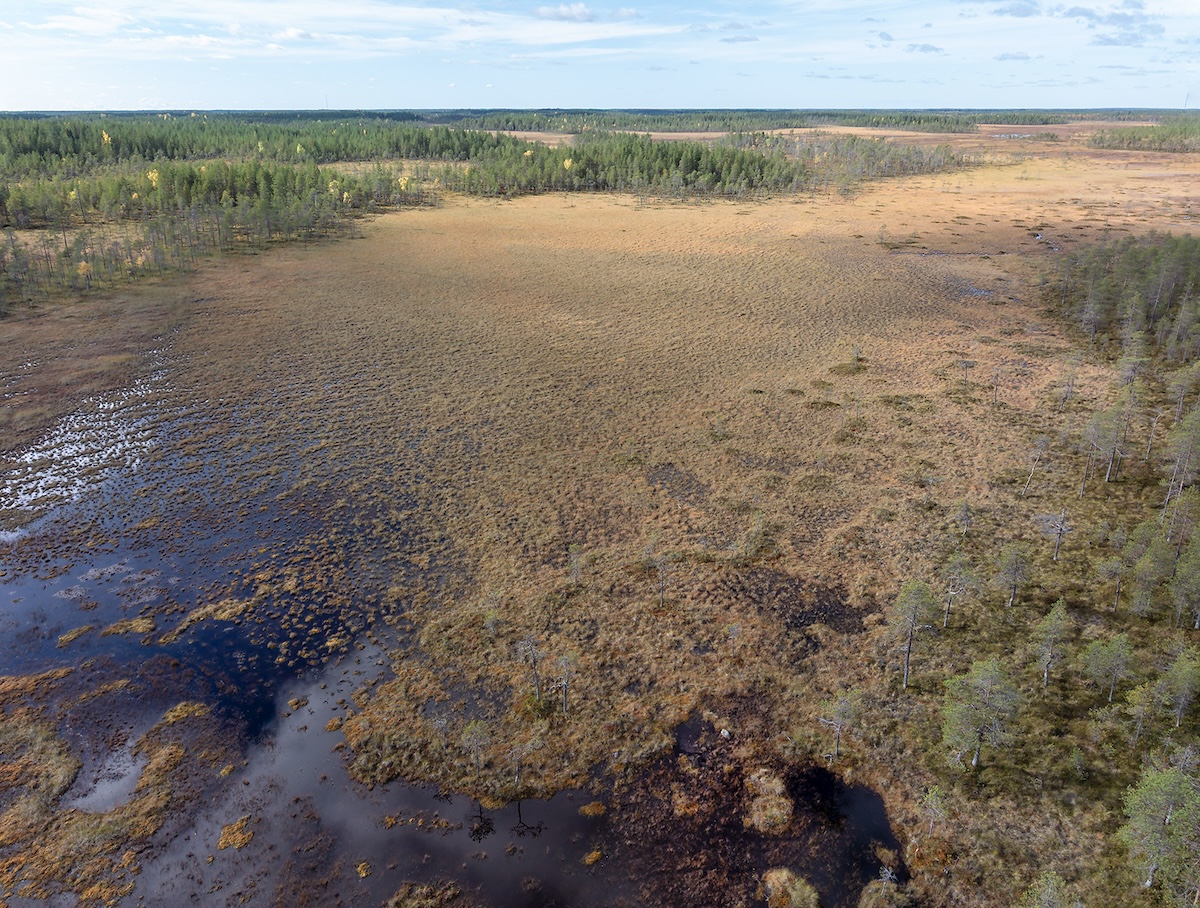
Salmisuo, PudasjärviOctober began with the largest Snowchange event of the year – The Living Peatlands Summit in Thunder Bay, Canada. This event brought together dozens of delegates from the Sámi, Finnish communities, Pacific Islanders, Maori, Indigenous Canadian delegates, Alaskan scientists, a large peatland conservation community from Minnesota, Native Hawaiians, and many more. The Summit created a network sponsored by the Climate Breakthrough Initiative – the Living Peatlands Initiative. See a new portal here. The summit represents a major conservation and restoration event to simultaneously rescue peatlands and wetlands (in the Pacific). Further results can be seen on the portal, and here in coming months. Thunder Bay was a major turning point for the Snowchange for the next decade ahead on simultaneous action on community-led conservation.
In Finland over 500 hectares of new peatlands and forests joined Snowchange in October. On top of that the restoration efforts continued in full swing including the cleaning and re-juvenation of the whitefish spawning sites along the river Koitajoki in North Karelia. Out of the landscapes emergent in October Salmisuo, a sub-Arctic mainly intact peatland of 150 hectares in Pudasjärvi constitutes a major turn in this part of the boreal part of Finland. It is a major nesting and resting area of geese and also very important for the local community.
Salmisuo, in Pudasjärvi.Sea Sámi scholar Camilla Brattland has led efforts to scientifically assess success in Atlantic Salmon management. This has led to a Snowchange-participating science paper “From Participation to Indigenous Leadership in Salmon Governance and Knowledge Systems” published in late October in Arctic Anthropology.
Indigenous leadership in salmon governance is associated with values and principles such as recognition of Indigenous rights and jurisdictions by states, meaningful involvement and participation of Indigenous knowledge holders in the knowledge basis for management, and respectful and reciprocal relations between humans and salmon. Inspired by examples of Indigenous leadership in salmon governance in North America and in Finland, the authors of this chapter seek to identify a constructive role for Sami leadership in Nordic state wild salmon governance. Even though the Nordic countries, in principle, recognize Indigenous resource rights, there are few examples of Indigenous leadership in watershed governance.
An especially thorny issue is the cross‐border salmon management on the Deatnu/Tana River as a border river between Norway and Finland. A nearby example of Skolt Sami leadership in co-management of the Njâuddam/Näätämö River in Finland is, however, a relevant and hopeful example of the possibility of Sami leadership and inclusion of Indigenous knowledge in salmon governance and river restoration. In this article, we present the Njâuddam/Näätämö and the Deatnu watershed governance arrangements as two examples at opposite ends of a scale of Indigenous leadership in salmon management in the Nordic countries. We compare and discuss the two cases along the dimensions of participation in governance and in knowledge production, addressing key points that need to be resolved for Indigenous leadership to play a constructive role in interaction with state salmon governance and knowledge production systems. In conclusion, we consider the possible lessons to be learned and discuss challenges and opportunities for Indigenous empowerment and for increasing the sustainability of salmon governance at large.
Paper available here.
The Fine Print I:
Disclaimer: The views expressed on this site are not the official position of the IWW (or even the IWW’s EUC) unless otherwise indicated and do not necessarily represent the views of anyone but the author’s, nor should it be assumed that any of these authors automatically support the IWW or endorse any of its positions.
Further: the inclusion of a link on our site (other than the link to the main IWW site) does not imply endorsement by or an alliance with the IWW. These sites have been chosen by our members due to their perceived relevance to the IWW EUC and are included here for informational purposes only. If you have any suggestions or comments on any of the links included (or not included) above, please contact us.
The Fine Print II:
Fair Use Notice: The material on this site is provided for educational and informational purposes. It may contain copyrighted material the use of which has not always been specifically authorized by the copyright owner. It is being made available in an effort to advance the understanding of scientific, environmental, economic, social justice and human rights issues etc.
It is believed that this constitutes a 'fair use' of any such copyrighted material as provided for in section 107 of the US Copyright Law. In accordance with Title 17 U.S.C. Section 107, the material on this site is distributed without profit to those who have an interest in using the included information for research and educational purposes. If you wish to use copyrighted material from this site for purposes of your own that go beyond 'fair use', you must obtain permission from the copyright owner. The information on this site does not constitute legal or technical advice.
 This site is not the official webpage of the Industrial Workers of the World.