You are here
News Feeds
New joint letter: We can’t ‘build Canada strong’ without robust Alberta MOU outcomes, warn Canadian clean energy experts
TORONTO — Countries across Asia and Europe are accelerating their shift to clean energy—a transition hastened by the war in Iran. But with the Ottawa–Alberta memorandum of understanding on climate and energy policy more than a month overdue, Canada is risking locking in policy signals that leave it out of step with this rapidly restructuring global energy economy, warn Clean Energy Canada’s Rachel Doran and other climate and clean energy experts.
In a joint letter sent today, the leaders of the Pembina Institute, Clean Energy Canada, Climate Action Network, Environmental Defence, Equiterre, and International Institute for Sustainable Development urge Prime Minister Mark Carney to finalize key elements of the agreement, warning that failure to do so risks a “consequential miscalculation” that would place too great a focus on the oil and gas industry at the expense of clean growth sectors.
“While countries across Asia and Europe engage in short-term energy rationing and longer-term restructuring of their economies away from oil and gas dependence and towards domestically produced clean electricity, here in Canada, we are stuck in an unhelpful feedback loop of discourse about the need for more oil and gas infrastructure and the loosening of environmental regulations on multi-billion dollar oil and gas companies,” reads the letter.
“Nowhere is this more evident than in the delay to the promised resolution of the Alberta-federal MOU on energy and climate policies.”
The letter urges specific outcomes on four key aspects of the MOU: industrial carbon pricing, clean electricity development, and methane rules for oil and gas producers. It refers to these, and the MOU more broadly, as the prime minister’s “most consequential opportunity” to turn “words into action” on building a strong, future-proofed Canadian economy.
KEY FACTS ON THE IRAN WAR AND ENERGY TRANSITION- Several countries, including the U.S., the U.K., Australia, South Korea, Germany, and Malaysia, have reported spiking sales or signs of elevated consumer interest in EVs since the war began. The surge has been particularly marked in Asia, where consumers are most exposed to the current oil supply shock.
- 1.75 million electric vehicles were sold globally in March 2026, a 66% increase on the previous month.
- Energy rationing is underway across the world, with the International Energy Agency tracking more than 40 countries where governments are urging citizens to take steps to conserve energy, such as limiting use of air conditioning in tropical climates or minimizing daily commutes.
- There are signs of countries rethinking previously approved oil and gas projects in light of the crisis. For example, plans for the construction of Vietnam’s largest-ever LNG import project are on pause, with investors citing the Iran war’s impact on global LNG supplies as a reason to consider switching to a renewable energy project instead.
The post New joint letter: We can’t ‘build Canada strong’ without robust Alberta MOU outcomes, warn Canadian clean energy experts appeared first on Clean Energy Canada.
Olympia WA Bannerings
Workers Over Billionaires & Stop The War, Support Workers They Gave Us Weekends, Lady Liberty with Distressed US, Gay Pride, & Palestinian Flags, Morons Are Governing America.
How the Confederacy Won the War..The Triumph of the South’s Vision for America w/ Prof. Clayton Lust
Plants, Play, and Positionality: A conversation with Ladakh-based eco-artist Anuja Dasgupta
Pooja Kishinani and Satakshi Gupta
An interview with visual artist Anuja Dasgupta, whose practice sits at the intersection of eco-art, ethnobotany and community. Using plant-based emulsions, cameraless photography, and repurposed wood, she creates art that refuses to represent the land, …
Tin Soldiers and Nixon’s Coming . . . 56 Years After the Kent State Killings
Statement: Public Advocates Stands with Workers and Communities Fighting For a Just California on May Day
FOR IMMEDIATE RELEASE
Friday, May 1, 2026
The eight-hour workday. Voting rights. Desegregated buses and schools. Every hard-won right Californians depend on today came from people who organized, refused to accept the status quo, and fought back.
In 1884, the Federation of Organized Trades and Labor Unions made a declaration: in five years, workers across the country would strike on May 1 for an eight-hour workday. No guarantee of success—and no central command to make it happen. The idea spread anyway, city to city, carried by ordinary workers who organized locally and walked off of the job together. At Haymarket Square in Chicago, workers paid for that defiance with their lives. The movement grew anyway. They won, and May 1 became the international workers’ celebration, May Day.
That is the spirit that drives Public Advocates. For 55 years, we have combined civil rights litigation, policy advocacy, and deep partnership with grassroots communities to challenge the laws and power structures that lock low-income communities and communities of color out of good schools, stable housing, and reliable transit. We do this because rights declared on paper mean nothing without power behind them—and power is built through sustained organizing and coordinated struggle over time. That is how we win resourced schools, renter protections, and transit systems that serve the people who need these most.
That work has never been more urgent.
California is the fourth-largest economy in the world. The people who built it—teachers, nurses, farmworkers, transit workers, essential workers of every kind—are being pushed out of it. The Tenant Protection Act, the state’s primary shield against extreme rent hikes and unjust evictions, expires in 2030. Tens of thousands of affordable homes sit approved but unfinanced. Students in under-resourced school facilities are still denied what the law guarantees. This is not a series of policy failures. It is a system working exactly as it was designed—to concentrate wealth in the hands of a few rather than spreading it to include the people who make this state run.
We know it can be different today because we have seen it. In Minnesota years of cross-racial organizing produced the 2023“Minnesota Miracle,”— a single legislative session that delivered a billion dollars in affordable housing, free school meals for every child, expanded voting rights, paid family leave, and protections for workers and immigrant communities. This past January 23, that same coalition drove a massive ICE presence out of Minneapolis through peaceful community action. It didn’t happen by accident. It happened because people built power—across race, across issues, across years—together.
That is the work of May Day. That is the work of Public Advocates.
This May Day we recommit to the California that should exist—where the people who built this economy can afford to stay here, where every child has a school worthy of their potential, and where no community’s future depends on the goodwill of those in power.
Power isn’t given. It’s built. We’re building it.
###
Public Advocates Inc. is a nonprofit law firm and advocacy organization that challenges the systemic causes of poverty and racial discrimination by strengthening community voices in public policy and achieving tangible legal victories advancing education, housing, transportation equity, and climate justice.
The post Statement: Public Advocates Stands with Workers and Communities Fighting For a Just California on May Day appeared first on Public Advocates.
Best of G&R: May Day vs Labor Day- How the ruling class stops radical organizing
LAIST: California voters greenlit billions of dollars to fix schools. How much has it helped? As schools age, the requests for modernization funding exceed the funding available.As schools age, the requests for modernization funding exceed the funding...
April 30, 2026—LAist reporter Mariana Dale spoke with Senior Staff Attorney Alicia Virani about Miliani Rodriguez v. California, Public Advocates’ lawsuit challenging California’s inequitable distribution of Prop 2 school modernization funds. Virani explains why the firm filed a motion for a preliminary injunction in March—and why low-wealth districts facing asbestos, leaks, and toxic mold can’t afford to wait for the next bond measure. A hearing is scheduled for May 20.
The post LAIST: California voters greenlit billions of dollars to fix schools. How much has it helped? As schools age, the requests for modernization funding exceed the funding available.As schools age, the requests for modernization funding exceed the funding available. appeared first on Public Advocates.
CalCAN Stewardship Council Profile: Thomas Nelson
This profile is part of an ongoing series that introduces members of CalCAN’s newly formed Stewardship Council. The Stewardship Council serves...
The post CalCAN Stewardship Council Profile: Thomas Nelson appeared first on CalCAN - California Climate & Agriculture Network.
Populism vs. Oligarchy: Prof. Charles Derber on How to Reclaim America from the Billionaires
“Little Red Barns”: Will Potter on How Animal Agriculture Harms Animals, People and Democracy
New Bill Aims to Support CA Farmers Facing Fertilizer and Water Shortages
For years, farmers and ranchers in the state have been facing rising costs of inputs. Now, as a consequence of the...
The post New Bill Aims to Support CA Farmers Facing Fertilizer and Water Shortages appeared first on CalCAN - California Climate & Agriculture Network.
USDA’s new Regenerative Agriculture Initiative: A step forward or greenwashing?
The guest blog by Michael Happ of the Institute for Agriculture and Trade Policy (IATP) below provides an overview of what...
The post USDA’s new Regenerative Agriculture Initiative: A step forward or greenwashing? appeared first on CalCAN - California Climate & Agriculture Network.
Behold the Light: Farms, Photons, Futures
Dairy Producers Show Policymakers that AMMP Funding is Critical to Meeting Methane Reduction Goals and Staying Viable in California
On April 8, dairy producers and advocates from CalCAN and the California Dairy Campaign met with more than twenty legislative offices...
The post Dairy Producers Show Policymakers that AMMP Funding is Critical to Meeting Methane Reduction Goals and Staying Viable in California appeared first on CalCAN - California Climate & Agriculture Network.
Expression of Interest: Social Media Consultancy for AFSA Campaigns & Podcast
The Alliance for Food Sovereignty in Africa (AFSA) is inviting expressions of interest from qualified, Africa-based firms to provide social media consultancy services for a period of 12 months, renewable based on performance.
AFSA is Africa’s largest civil society network, uniting 48 member organisations across 50 countries and advancing agroecology and food sovereignty for over 200 million people across the continent. As we scale our digital presence, we are seeking a creative, experienced, and mission-aligned social media partner to help amplify our work.
The consultancy covers two key areas. The first is the promotion and digital campaign management of AFSA’s four major Pan-African flagship campaigns — My Food Is African, Agroecology4Climate Action, Seed Is Life, and Defend Our Land, Restore Our Soil. The selected firm will be expected to develop campaign strategies, produce short-form videos, design visual assets, manage content across platforms, and deliver regular performance reports.
The second area covers the production and promotion of AFSA’s newly launched podcast, The Battle for African Agriculture, hosted by AFSA General Coordinator Dr. Million Belay. The consultancy will manage end-to-end weekly episode recording, professional audio and video editing, multi-platform promotion across YouTube, Spotify, Apple Podcasts, Facebook, Instagram, LinkedIn, and TikTok, as well as audience growth and analytics reporting.
Interested firms are required to submit a company profile, portfolio evidence of previous campaigns and podcast production experience, team and influencer profiles, a pilot social media plan, and a detailed budget proposal.
Proposals must be submitted to afsa@afsafrica.org by 27 April 2026 at 23:59 East Africa Time, with the subject line: EOI – Social Media Consultancy for AFSA Campaigns & Podcast. For technical inquiries, please contact kirubel.tadele@afsafrica.org.
For full details on the scope of work, submission requirements, and evaluation criteria, please refer to the Terms of Reference (TOR) attached.
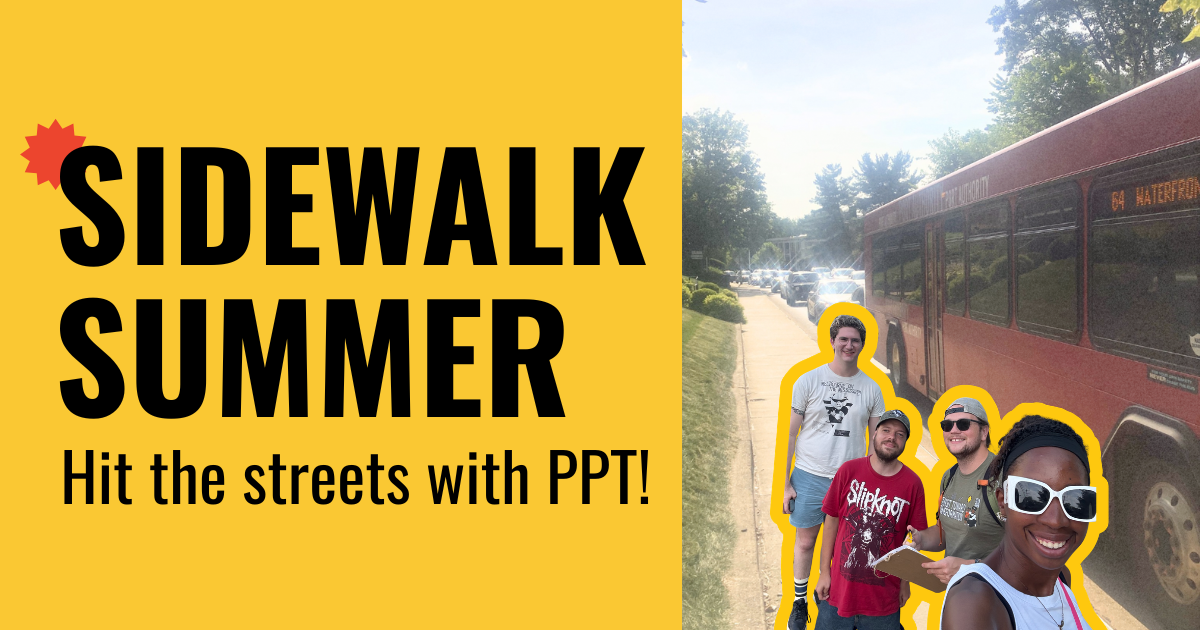
Download the TOR Télécharger les Termes de RéférenceSidewalk summer is back: hit the streets with PPT for sidewalk audits
Image Description: PPT members highlighted in yellow, on a glowy background of a bus stop on a summer day.
Bust out those cell phones and lace up those sneakers!Transit riders in Pittsburgh want more bus shelters, better bus stop amenities and connected sidewalks that take us to and from where we need to go! Our biggest takeaway from two years of bus shelter audits is that we cannot have bus shelters, benches and other amenities installed at our bus stops if our sidewalks are in poor or nonexistent condition.
Following the lead of our friends Pittsburgh Walks, PPT will host a series of sidewalk audits this spring and summer focusing on neighborhoods with high rider bus stops and busy transit corridors.
We will assess the quality of sidewalks in Pittsburgh and record findings via a mobile survey developed by the City of Pittsburgh. The collected data helps the City identify where sidewalks need to be improved or built, prioritize pedestrian infrastructure projects, and make the case for sidewalk funding.
The goal of these sidewalk audits is for participants to learn how to use this new tool and go on to gather data independently. Ultimately we aim to collect information about sidewalks (or where they’re missing) for every street in the City. This is a group effort and WE NEED YOU!
Audit Dates & Registration:Saturday May 16th 10am – 12pm, Sheraden
Saturday June 27th 10am-12pm, Hazelwood
Saturday August 22nd 10am -12pm, Hill District
- Before the event, participants must watch this 15 minute video.
- Have a lesson on what makes sidewalks safe and accessible, how to use the web application.
- Pair up to walk several blocks of neighborhood streets, and record our observations using an online survey on our cell phones.
- Must have charged cell phone that can reach the internet and take photos.
- Must be able to navigate web browsers and privacy settings on cell phone.
- Pittsburgh weather can be unpredictable this time of year! Come dressed for the elements (good walking shoes, winter coats, hats, gloves, etc.). We will be outside for about an hour.
- We cannot guarantee the accessibility or safety of these walks as some of the terrain may have broken to no sidewalks. Some regions may be hilly and harder to walk on.
- Blind and low vision people will not be able to use the mobile survey application, but your input is of great value. You will be paired with a sighted person so that you can access the survey.
- If you have individual accessibility questions, or to request ASL interpretation, please reach out to Nicole@pittsburghforpublictransit.org.
- ASL interpretation must be requested at least 2 weeks in advance.
You can attend on your own, or bring a group of neighbors, friends, family, or coworkers! This is a great way to get your steps in, meet fellow community members, and help make our streets safe, accessible, and enjoyable for everyone!
The post Sidewalk summer is back: hit the streets with PPT for sidewalk audits appeared first on Pittsburghers for Public Transit.
AFSA Newsletter | January – March, 2026
This first quarter 2026 edition of the AFSA Newsletter captures a period of intense reflection, sharpened advocacy, and strategic action across Africa and beyond. From Lilongwe to Dakar, Garuga to Cartagena, AFSA and its members engaged critical questions shaping the future of African food systems, including school meals, land justice, seed sovereignty, public agricultural finance, cross border agroecological trade, territorial markets, and citizen mobilisation. Across these interventions, one message stands out clearly: the struggle for food sovereignty is not only about production, but also about power, policy, markets, culture, and the right of African people to define their own food futures.
In these pages, readers will see how AFSA continued to link grassroots realities with continental and global advocacy. This edition highlights the adoption of the Lilongwe Declaration on agroecology based school and college meals, AFSA’s participation in ICARRD+20 in Colombia, the launch of a major report on the African Development Bank’s role in reshaping African agriculture, renewed calls to centre farmers in regional seed policy processes, and important internal moments of alignment through the AFSA staff retreat, the Citizens Working Group on Agroecology meeting, and the TAFS annual review workshop. It also documents growing momentum in public campaigns and movement spaces, including the #MyFoodMyIdentity online campaign and continued efforts to strengthen agroecological trade, territorial markets, and African food cultures.
What this edition reflects most of all is AFSA’s continued commitment to building a food systems movement rooted in justice, resilience, dignity, and African knowledge. Whether confronting corporate capture, defending land and seed rights, supporting local markets, or reshaping public narratives around food, AFSA’s work remains anchored in the conviction that Africa’s food future must be led by its farmers, communities, women, youth, and social movements. We invite you to read, reflect, and continue walking with us as we strengthen the movement for agroecology and food sovereignty across the continent.
Download the newsletter hereTransit Riders & Workers Skill Up at Organizing Spring Training
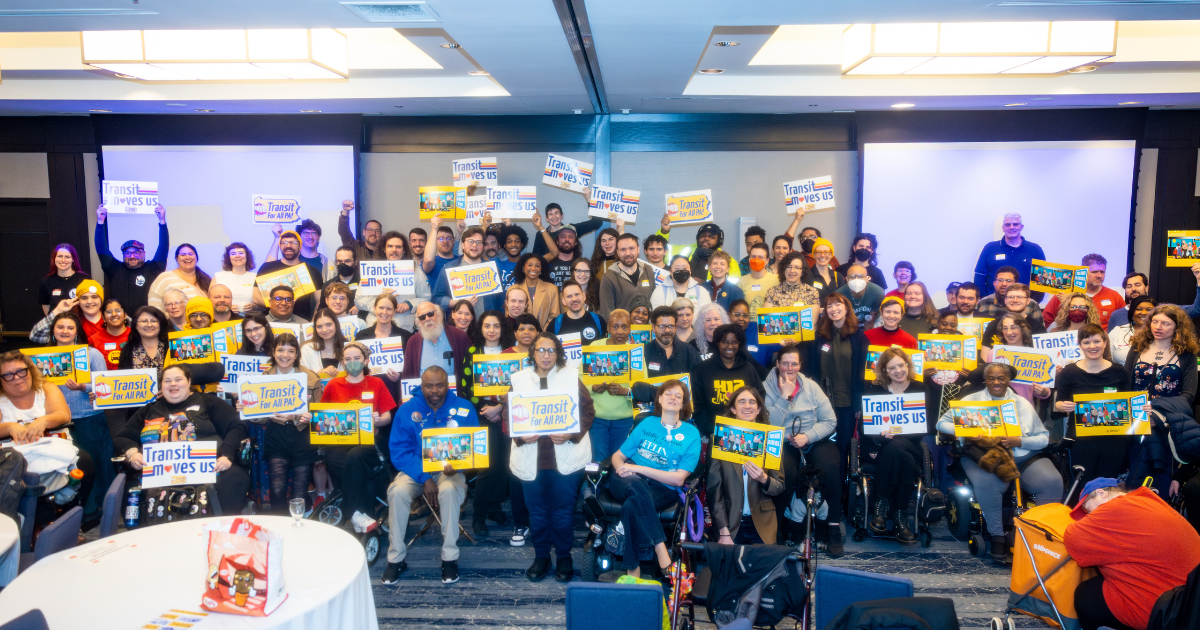
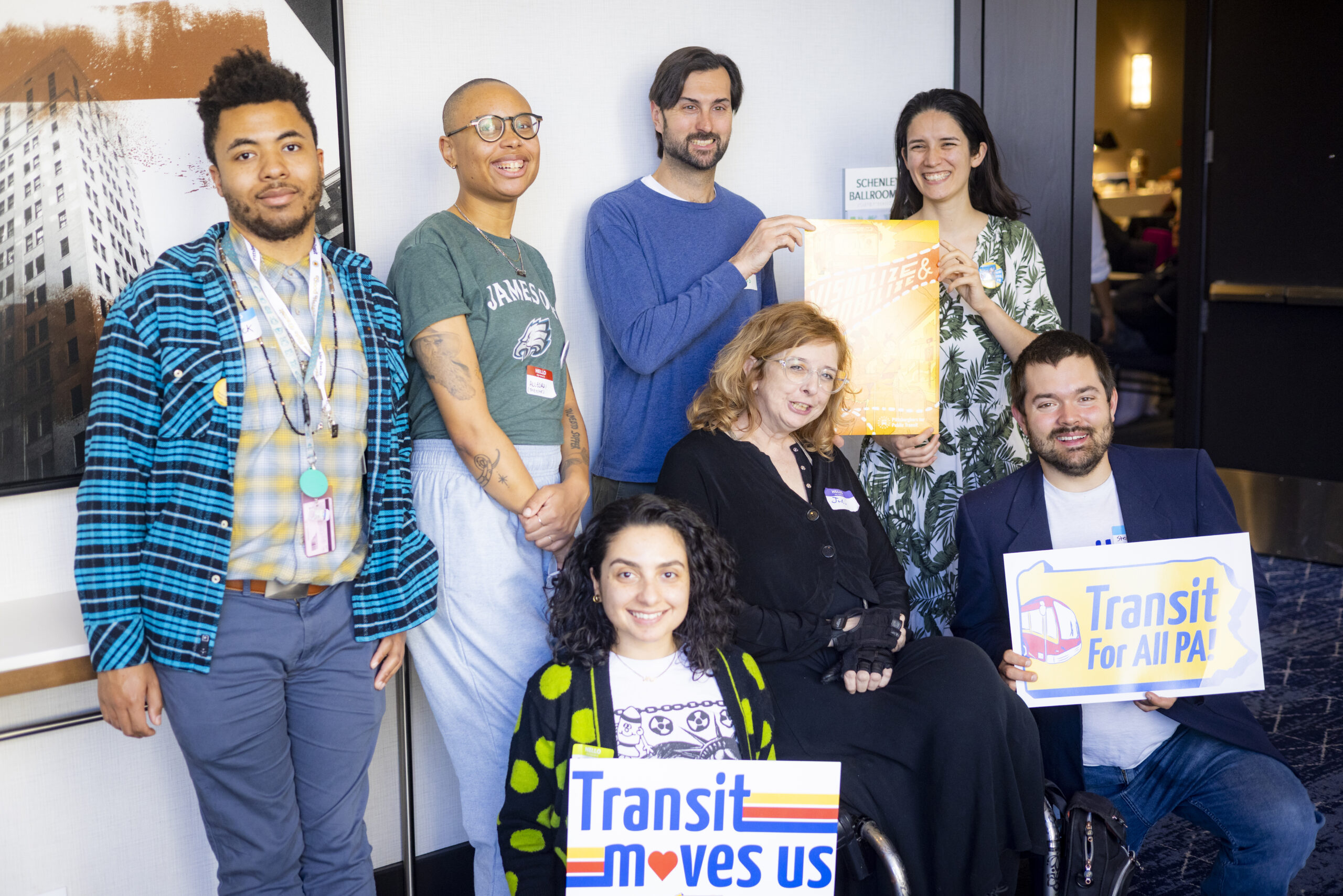
Image Description: Group photo at spring training has 100 people holding up signs and smiling with fists up.
Transit for All means every community – urban and rural, large and small – and thats who the movement is fighting for!
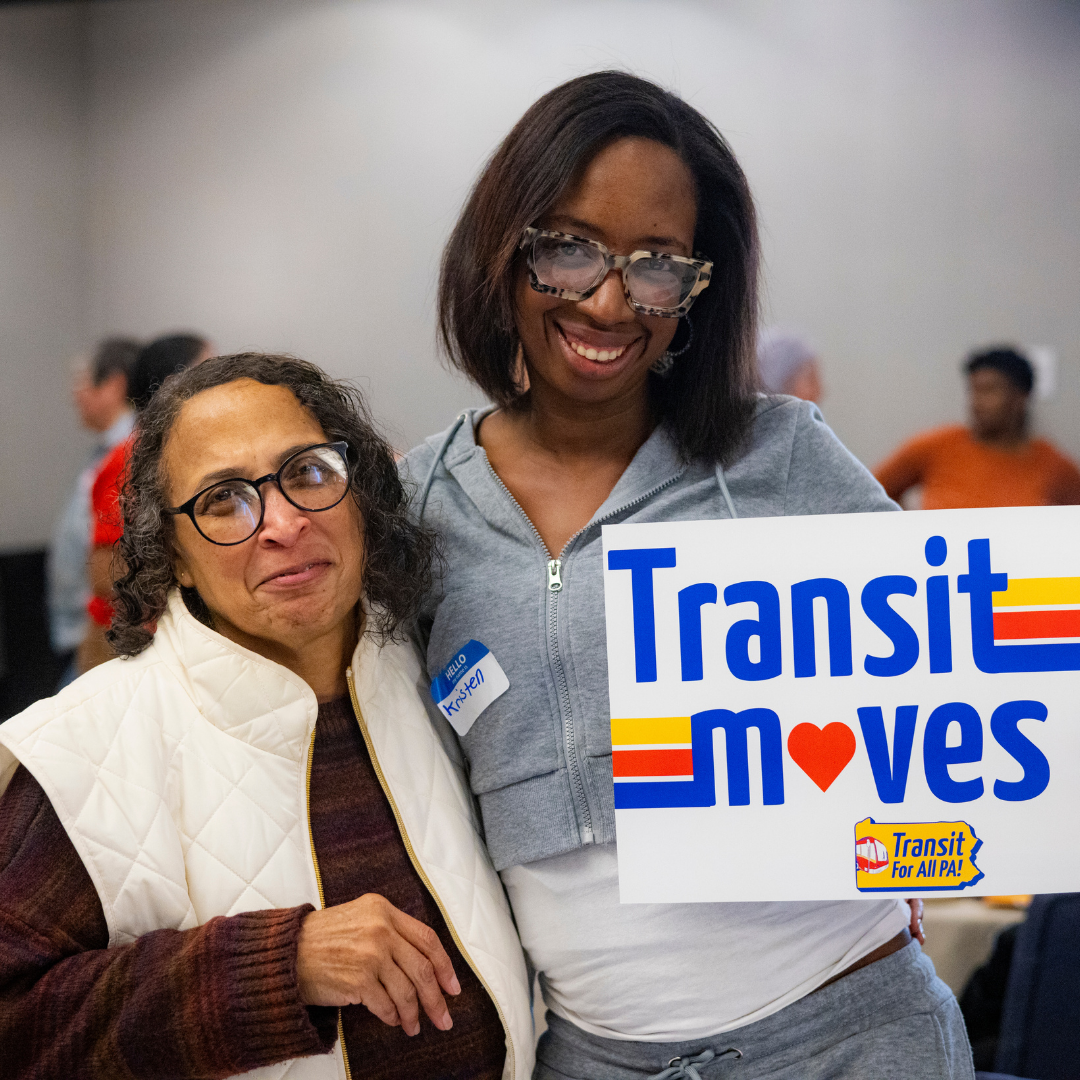
150 transit riders and transit workers from across Pennsylvania and the United States gathered at the end of March to build organizing skill and strengthen community.
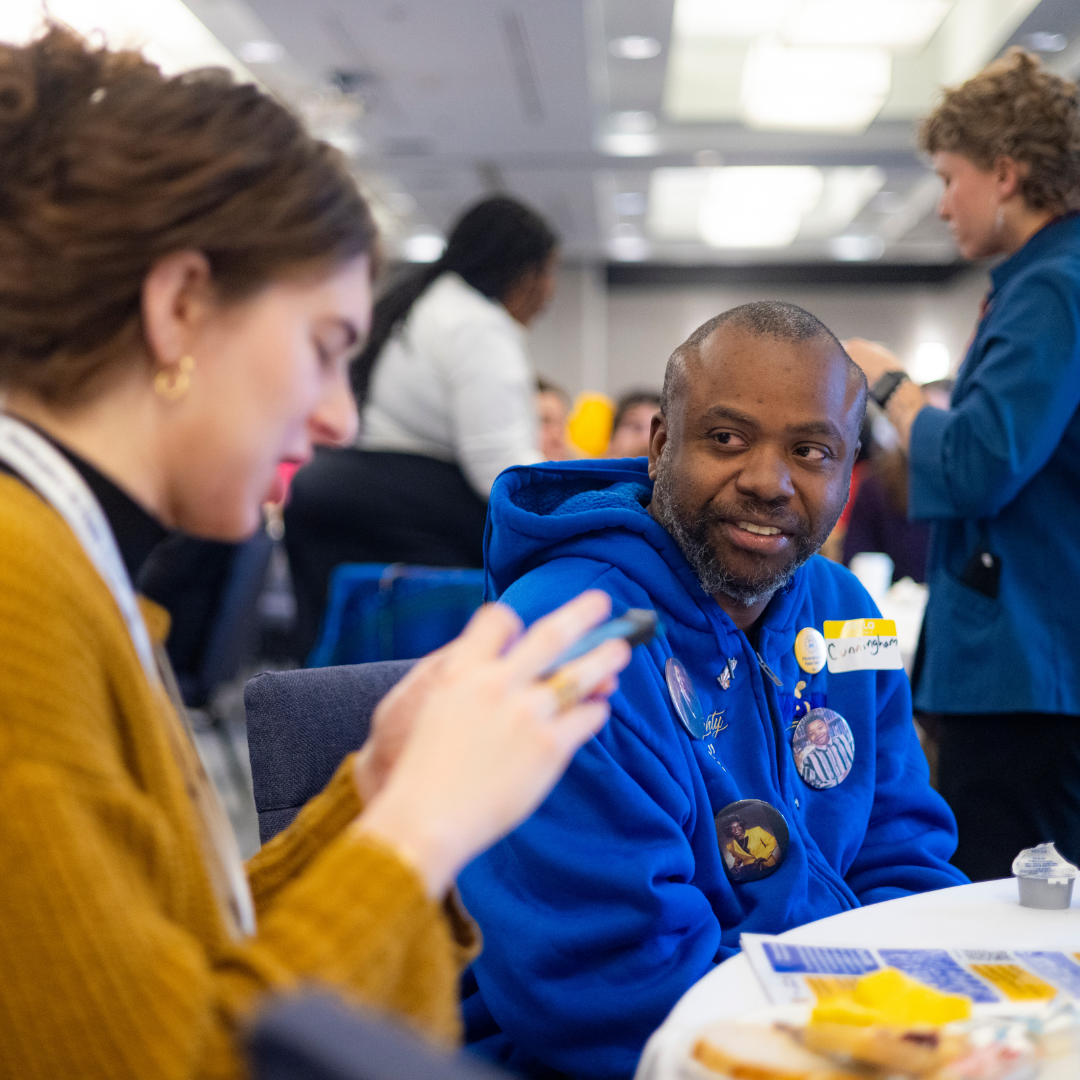
The movement keeps on growing! For two days at the end of March, 150 transit riders and transit workers gathered in Pittsburgh for the third-annual Transit for All Organizing Spring Training. Attendees and speakers came from all across PA and the United States. Their purpose was clear: they were there to build organizing skills to strengthen a movement that’s fighting for transit for all – whether in rural communities, small towns or big cities.
The training was organized by Pittsburghers for Public Transit, who leads the Transit for All PA! campaign. The program was jam-packed with opportunities for attendees to learn new skills, learn from victories won in other cities, and meet inspiring new friends from other communities!
Read on for a recap of the two-days or check out photos here!
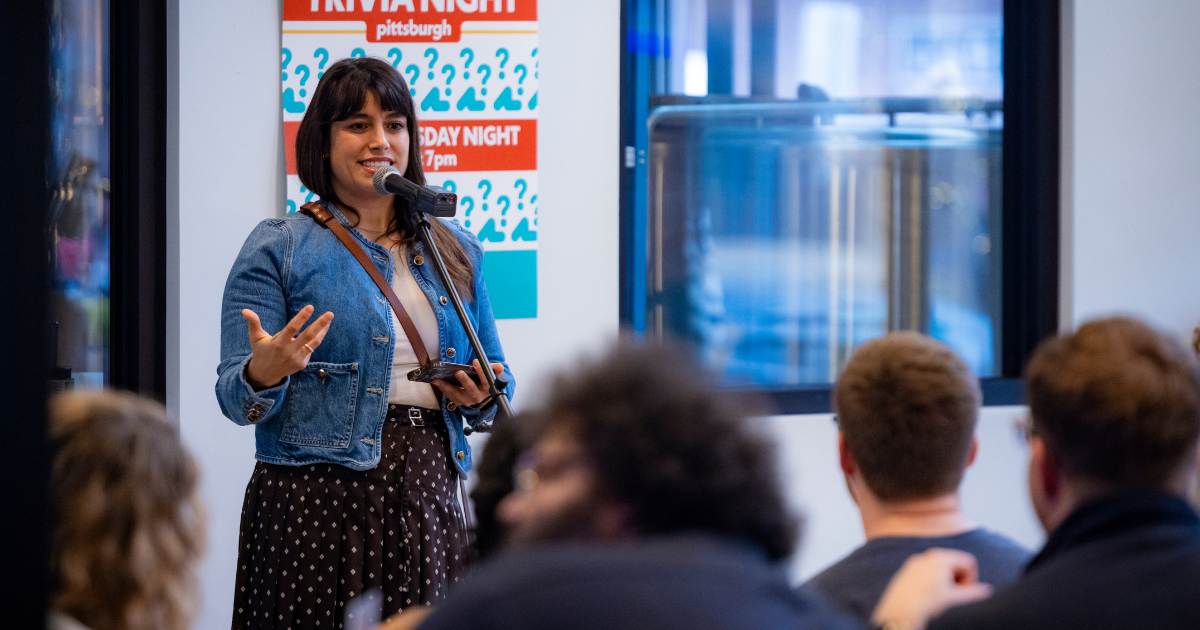
Day 1 Recap: Welcome to Pittsburgh & the Transit Justice Movement image description: County Executive Sara Innamorato addreses transit riders and transit workers at the 2026 Transit for All Organizing Spring Training Welcoming Happy HourOn Friday, attendees from out of town met at the PPT office for a Transit Tour led by PPT Members. The Transit Tour ended at the Welcome Happy Hour hosted at Aslin Brewery in the Strip District.
More than 100 people were in attendance for delicious food and drinks. Some people were new to transit organizing but many were veteran organisers for better public transit. Allegheny County Executive Sara Innamorato even stopped by to welcome people to town and encourage advocates to keep organizing for better transit access!
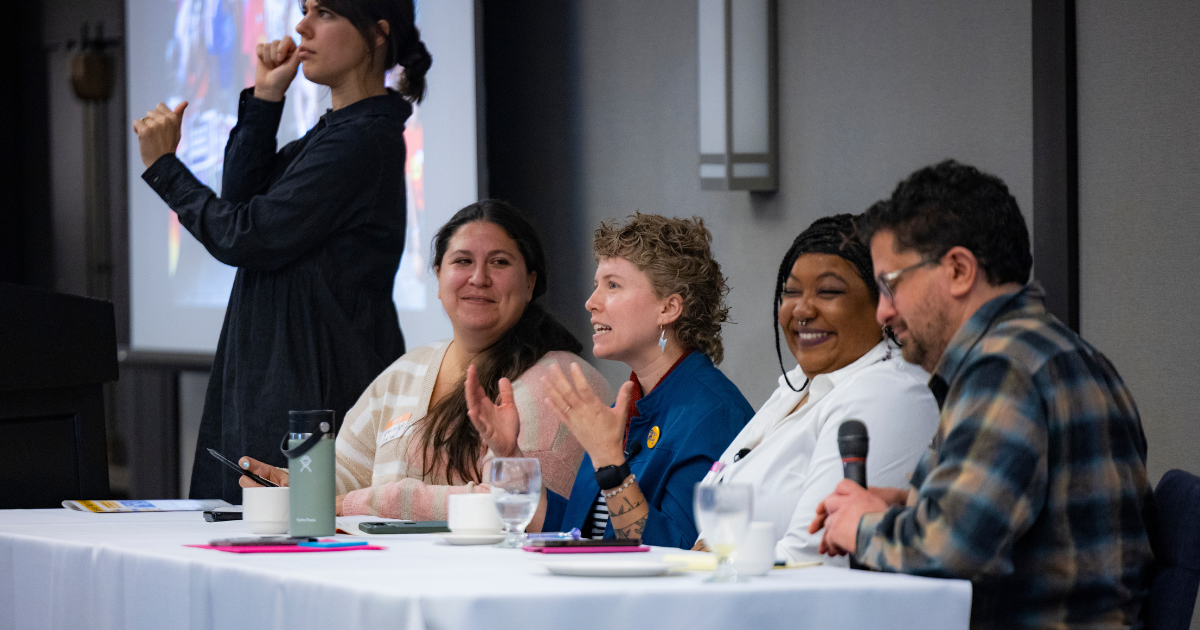
Day 2 Recap: Training Day!Image Description: Four panelists sit behind a table. One is speaking dynamically and moving their hands as the others smile and laugh. A sign language interpreter is translating in the background.
Day 2 was where the magic happened. Folks woke up bright and early to join for an 8am breakfast and some artmaking with Arts Excurions Unlimited, a community arts group from Pittsburgh’s Hazlewood neighborhood.
By 9am the plenary kicked off, led by Veronica Coptis, Senior Advisor, Taproot Earth. She began the day by driving home a theme that would be central to the training: that rural and urban communities must work together to change a system that moves us all. Veronica leads a number of rural organizing projects and shared that regardless of the community she’s working in, transportation is always a top need. Veronica was joined by Andrew Slack, a PA-based facilitator who led a panel discussion with Kearasten Jordan and Laura Pauls-Thomas, both Transit for All PA! Organizing Fellows from Lancaster, about transit needs in PA’s rural communities and small towns.
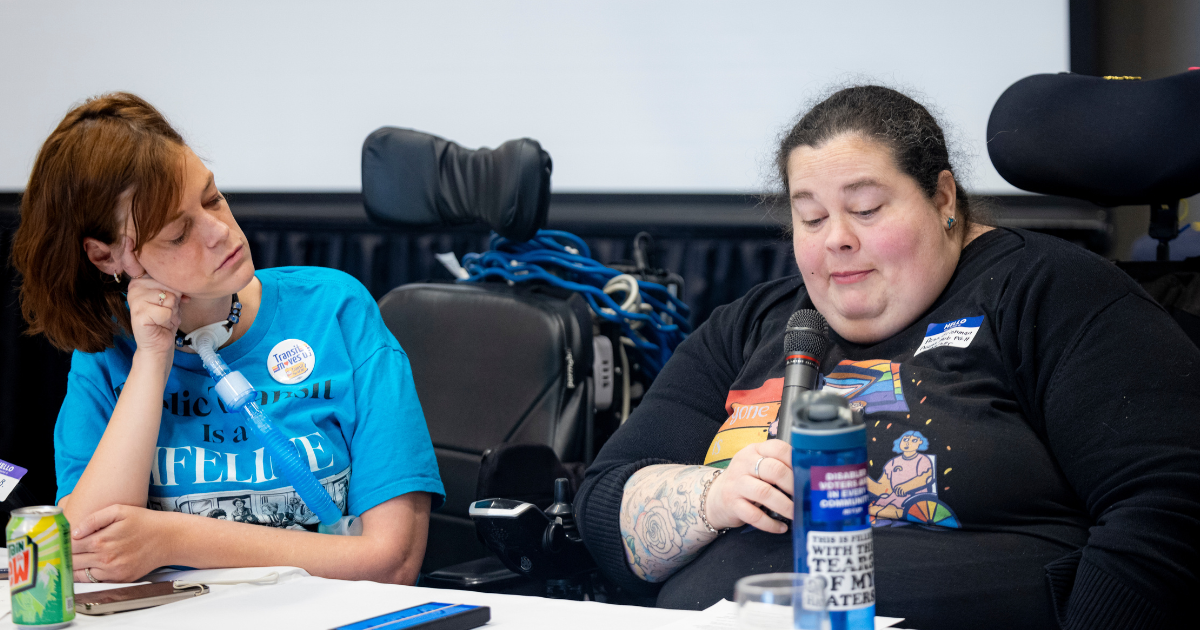
image description: Alisa Grishmand and Dr. Jose Badger present on a Transit for All Organizing Spring Training panelAfter the Plenary discussion, the energy didn’t stop. There were 7 workshops throughout the day, led by PPT Members and transit organizing experts from PA and across the US:
- Narrative Change: Our Stories Build the World We Want, led by Nadia Awad, Content Director, Narrative Initiative, Andrew Slack, PA-based narrative strategist, facilitator, and storyteller, and Clair Hopper, Digital Organizer, Pittsburghers for Public Transit and Transit for All PA!
- VoteTransit: Bus Mayor Elections and Beyond, led by Betsy Plum, Executive Director of Riders Alliance (New York City), Barb Warwick, Pittsburgh City Council member, District 5, and facilitated by Laura Chu Wiens, Executive Director of Pittsburghers for Public Transit/Transit for All PA!
- Mobile Workshop! Field Communications: Storytelling from the Street, led by Joe Conniff, Video Editor, Educator, and Producer, withremote support from Marcelese Cooper, Teaching Assistant Professor in the Film and Media Studies Program at the University of Pittsburgh
- Bargaining for the Common Good: Worker/Community Solidarity, led by Connor Chapman, University of Pittsburgh Graduate Workers Union and Pittsburghers for Public Transit and Ronni Getz, UPMC Magee Women’s Hospital, SEIU Healthcare Pennsylvania
- Organizing with Disability Justice at the Center, led by Anna Zivarts, a leading author, transit rider organizer and founder of the Nondriver Alliance out of Washington state, and Dr. Josie Badger, director of the national RSA-Parent Training, Information, technical assistance center (RAISE), and founder of several orgs including the Pennsylvania Youth Leadership Network (PYLN), the Children’s Hospital Advocacy Network for Guidance and Empowerment (CHANGE), and J.Badger Consulting, moderated by Alisa Grishman, founder of Access Mob Pittsburgh and PPT Board member
- Big Tech in Transit: Automation, Microtransit, Surveillance, and Data, led Dr. Sarah Fox, Assistant Professor in the Human-Computer Interaction Institute at Carnegie Mellon University; Director, Tech Solidarity Lab, Sue Scanlon, Transit Operator, Pittsburgh Regional Transit; Pittsburghers for Public Transit board member, and Ziggy Edwards, Leader, Mon-Oakland Connector Campaign
- Transit Isn’t Just Urban: Organizing in Small Systems & Everywhere, led by Connor Descheemaker (they/them), Statewide Campaign Manager, Transit for All PA!/Pittsburghers for Public Transit, andT4APA! Organizing Fellows Angela Adler and Laura Pauls-Thomas (Lancaster), Benjamin Felker-Quinn and Andria Ahrens (Lehigh Valley)
You can learn more about all of these great workshops and speakers on the 2026 Transit for All Organizing Spring Training homepage! And you can access the slides from each of these presentations at this Google Folder – feel free to share them, just please credit the presenters on each panel.
Attendees took a break from that great lineup and enjoyed some delicious lunch, snacks, and event took time out for a Movement Moment: Grounding, Accessible Yoga Practice led by PPT Member Mona Meszar, who is a yoga instructor, massage therapist, and community activist!
Spring Training was a blast! And now with these new skills and connections, transit riders and workers are ready to grow this movement.
Missed the training or want to get involved? Join us at the next transit organizing meeting to join the community! Join the next meeting here! image description: 7 organizers from Philadelphia pose with signs at the 2026 Transit for All Organizing Spring TrainingThe post Transit Riders & Workers Skill Up at Organizing Spring Training appeared first on Pittsburghers for Public Transit.
Defending the Social and SolidarityEconomy Amid Global Uncertainty
Organizations representing workers in informal employment – waste pickers, home‐based workers, street vendors and domestic workers, including migrant workers – recognize the social and solidarity economy (SSE) as a critical pathway to improving livelihoods, strengthening collective organization and advancing decent work. This is particularly important given that women are disproportionately represented in informal employment due to structural inequalities, including limited access to opportunities and persistent gender and cultural biases.
For global networks such as HomeNet International (HNI), International Alliance of Waste Pickers (IAWP), International Domestic Workers Federation (IDWF), StreetNet International (SNI) and Women in Informal Employment: Globalizing and Organizing (WIEGO), SSE entities including cooperatives, associations, mutuals and self‐help groups have served as practical economic infrastructures through which workers organize production, stabilize incomes, access resources and strengthen their collective voice.
We are concerned that growing global uncertainty is placing renewed strain on international cooperation at a time when multilateral efforts, including those of the International Labour Organization (ILO), remain essential to advancing decent work for workers in informal employment.
Across the world, workers in informal employment face severe decent‐work deficits: unstable incomes, limited access to social protection, restricted bargaining power and persistent barriers to formal recognition as workers. Today, 58% of the global workforce (representing two billion people) are informally employed – in sectors such as waste picking, home‐based work, street vending, domestic work and care services.
For these workers, the social and solidarity economy represents far more than an aspirational concept. For millions of workers in informal employment, SSE entities function as concrete pathways to improve incomes and livelihoods. Through cooperatives, associations, mutuals, self‐help groups and other collective economic organizations, workers are able to coordinate production, reduce costs, stabilize incomes, access solidarity‐based finance and build forms of social protection where formal systems remain inaccessible. These collective and solidarity‐based economic arrangements are particularly crucial for women in informal employment, who face structural inequalities, lower incomes, greater exposure to violence, harassment and discrimination, and a disproportionate burden of unpaid care work.
The experiences of workers in our sectors demonstrate how collective economic organization strengthens workers’ bargaining power with municipalities, governments, employers and enterprises. By pooling resources, knowledge and infrastructure, SSE entities help workers overcome structural barriers that would be impossible to address individually. They do this while reinforcing democratic governance and collective representation.
Our organizations have welcomed the recognition of cooperatives and the wider social and solidarity economy in international labour standards, such as ILO Recommendation 193 on the Promotion of Cooperatives, 2002, and Recommendation 204 concerning the Transition from the Informal to the Formal Economy, 2015. The 2022 ILO Resolution concerning Decent Work and the Social and Solidarity Economy and the 2023 and 2024 UN resolutions to promote the social and solidarity economy also reflect important milestones in recognizing the role of collective economic models in advancing decent work. In addition, the 2025 ILO policy guidelines for the promotion of decent work in recycling highlights the importance of SSE approaches in supporting workers in informal employment, particularly waste pickers.
Leadership within the UN system, particularly through the ILO’s work with its constituents and partners, has played a critical role in furthering research, policy dialogue and international cooperation to advance the social and solidarity economy. We greatly appreciate the partnership that has developed over the years between
our global networks and the ILO, including its Cooperative and Social and Solidarity Economy Unit, and we look forward to continuing and deepening this collaboration in the years ahead.
In the context of tightening fiscal space, competing priorities and heightened global uncertainty, it is essential that the progress made in recognizing and supporting the social and solidarity economy not only continues but expands.
The social and solidarity economy should not be understood as a marginal or secondary approach to economic development. Rather, it represents a set of existing economic practices through which workers in informal employment collectively build more stable livelihoods, strengthen their rights, and contribute to more inclusive and resilient economies and societies.
In this sense, promoting and defending the social and solidarity economy is intrinsically linked to advancing gender equality, not only by expanding women’s economic opportunities, but by contributing to the transformation of structural conditions of exploitation and discrimination that underpin both informal employment and gender inequality.
Maintaining and strengthening policy, legal and programmatic support for the social and solidarity economy within the ILO’s mandate and across the broader multilateral system is essential to ensuring that pathways toward decent work for millions of workers in informal employment remain grounded not only in market mechanisms but also in solidarity, democratic participation and collective economic organization.
We urge governments, workers’ organizations, international institutions and development partners to boost the policy and institutional frameworks that will enable the social and solidarity economy to deploy its full potential.
About HomeNet InternationalHomeNet International is a global network of membership‐based workers’ organizations that represents more than 1.3 million home‐based workers, from 71 organizations spread across 30 countries.
Visit www.homenetinternational.org.
The International Alliance of Waste Pickers (IAWP) is a global union of 50 waste picker organizations, representing more than 460,000 workers across 34 countries. The IAWP is committed to advancing the rights and strengthening the organizing efforts of waste pickers.
Visit www.globalrec.org.
The International Domestic Workers Federation (IDWF) is internationally recognized as a Global Union Federation. Made up of 93 affiliates from 70 countries, the IDWF serves a membership of over 675,900 domestic/ household workers. Most are organized in trade unions and others in associations, networks and worker cooperatives.
Visit www.idwfed.org.
StreetNet International is a global organization of committed informal traders, with the goal to promote and leverage an autonomous and democratic alliance of street vendors, market vendors, hawkers and cross‐border traders. StreetNet International is present in more than 50 countries and represents over 700,000 members worldwide.
Visit www.streetnet.org.za.
Women in Informal Employment: Globalizing and Organizing (WIEGO) is a global network focused on empowering the working poor, especially women, in the informal economy to secure their livelihoods. We believe all workers should have equal economic opportunities, rights, protection and voice. WIEGO promotes change by improving statistics and expanding knowledge on the informal economy, building networks and capacity among informal worker organizations and, jointly with the networks and organizations, influencing local, national and international policies.
Visit www.wiego.org.
The post Defending the Social and SolidarityEconomy Amid Global Uncertainty appeared first on International Alliance of Waste Pickers.
Pages
The Fine Print I:
Disclaimer: The views expressed on this site are not the official position of the IWW (or even the IWW’s EUC) unless otherwise indicated and do not necessarily represent the views of anyone but the author’s, nor should it be assumed that any of these authors automatically support the IWW or endorse any of its positions.
Further: the inclusion of a link on our site (other than the link to the main IWW site) does not imply endorsement by or an alliance with the IWW. These sites have been chosen by our members due to their perceived relevance to the IWW EUC and are included here for informational purposes only. If you have any suggestions or comments on any of the links included (or not included) above, please contact us.
The Fine Print II:
Fair Use Notice: The material on this site is provided for educational and informational purposes. It may contain copyrighted material the use of which has not always been specifically authorized by the copyright owner. It is being made available in an effort to advance the understanding of scientific, environmental, economic, social justice and human rights issues etc.
It is believed that this constitutes a 'fair use' of any such copyrighted material as provided for in section 107 of the US Copyright Law. In accordance with Title 17 U.S.C. Section 107, the material on this site is distributed without profit to those who have an interest in using the included information for research and educational purposes. If you wish to use copyrighted material from this site for purposes of your own that go beyond 'fair use', you must obtain permission from the copyright owner. The information on this site does not constitute legal or technical advice.
 This site is not the official webpage of the Industrial Workers of the World.