You are here
News Feeds
Data centres cooling drives heatwave demand
Can giant batteries unlock Africa’s green industrial future?
When Tropical Storm Ana made landfall in Malawi in 2022, it hit the Southeast African country’s electricity system hard, destroying a third of its hydropower capacity and causing nationwide shutdowns.
Even before the storm, Malawi’s power supply – generated mostly from renewables including solar and hydro – had been unreliable for many years, suffering from persistent outages.
The Malawian government is now hoping to improve the stability of its grid power with the construction of a battery energy storage system (BESS) in its capital that will charge up with surplus electricity generated when the sun is shining and hydropower dams are running, and release it when needed.
More than 80% of Malawi’s electricity comes from renewables and the country has been expanding capacity by adding more solar power while decommissioning 78 megawatts (MW) of diesel generation. But climatic impacts such as cyclones disrupt the grid and threaten to reverse energy transition gains.
West Africa’s first lithium mine awaits go-ahead as Ghana seeks better deal
To ensure a more stable supply, Malawi is building the 20 MW/30 megawatt hour (MWh) battery storage system in Lilongwe with support from the Global Energy Alliance (GEA), under Mission 300 – an initiative led by development banks and their partners to connect 300 million Africans to electricity by 2030.
The project in Malawi aims to stabilise the country’s grid, smooth its intermittent power supply, and reduce its reliance on diesel generators, as well as averting about 10,000 tonnes of carbon emissions per year.
Battery energy storage systems act like giant power banks, absorbing clean electricity during periods of lower demand and releasing it for use when demand is high or generation drops. A typical BESS includes battery packs, inverters that allow electricity to flow between the batteries and the grid, transformers, and cooling and safety systems.
Damola Omole, director of the ‘Grids of the Future, Africa’ programme at the GEA, a philanthropic organisation, said BESS offers the “flexibility needed to smoothly integrate high levels of variable renewables” into the power grid. In doing so, it can reduce reliance on expensive diesel generation and protect consumers and industries from rising energy costs, he added.
Can BESS drive Africa’s industrialisation?As calls to develop local green industries grow louder in Africa, Omole said there is a need to prioritise upgrading national grids with BESS so they can “transmit reliable, cost-reflective power directly to commercial clusters”.
While financiers previously doubted that intermittent solar and wind could meet the needs of industrial production, utility-scale BESS has demonstrated that renewables can deliver “predictable, steady output just like traditional fossil-fuel baseload power”, he added.
An electrical power engineer performs preventative maintenance using a digital voltmeter to monitor battery charge efficiency. (Photo: Nitat Termmee/ Getty Images)In recent years, African leaders, including William Ruto of Kenya, Felix Tshisekedi of the Democratic Republic of Congo (DRC) and Emmerson Mnangagwa of Zimbabwe, have called for the continent to use the energy transition to drive green industrialisation and create value from its resources at home.
At a mining investment conference in Nairobi in April, Ruto said Africa had stayed at the bottom of the value chain for too long but would now collaborate to process its minerals within the continent. “We will refine them here and we will manufacture them here,” he told African ministers and business executives.
Kenya seeks regional coordination to build African mineral value chains
However, deploying energy at scale to advance this industrial ambition has long been a problem, while about 600 million Africans still lack access to electricity. BESS could therefore become a critical technology in the continent’s development drive, experts say.
Michael Iwu, West Africa business development manager at Empower New Energy, which finances and co-develops renewable energy, said BESS is challenging the narrative that solar and wind power alone cannot provide enough reliable electricity to run factories and other energy-intensive industries. Modern battery systems can now support business operations for several hours, helping maintain production during grid outages, he added.
For GEA’s Omole, the key question has shifted to how quickly countries can build the battery storage, grid infrastructure and market frameworks needed to unlock the potential of renewables.
BESS to help renewables displace fossil fuelsWhile BESS is still in its initial stages of deployment in Africa, interest is growing as countries look for ways to make renewable energy more reliable.
South Africa is leading with the largest and first of its kind utility-scale BESS on the continent. With the capacity to discharge up to five uninterrupted hours of power, the system is keeping homes and businesses running in Worcester, a southwestern town of more than 100,000 people.
Egypt is also investing heavily in battery storage. In 2025, the country launched its first utility-scale BESS, a 300-MWh facility integrated with a 500 MW solar plant in the southern city of Aswan. It has also committed more than $1 billion to strengthen its electricity grid and update regulation to support battery storage projects.
Africa needs more than export bans to cash in on critical minerals, experts say
Falling battery prices are helping drive the rapid deployment of energy storage. According to BloombergNEF, battery packs for stationary storage (used in BESS) cost an average of $70 per kilowatt-hour in 2025, down 45% from 2024.
Soon the role of BESS in supporting the grid integration of wind and solar could reduce reliance on fossil fuels and help the world meet ambitious climate goals, according to a GEA report released in April.
Stephen Nicholls, director of South-Africa based energy think-tank African Energy Futures, said the rapid pace of technological development and the falling costs of BESS are attracting growing attention.
He said improvements in storage duration could further strengthen the role of renewables in industrial power systems. While most commercial and utility-scale battery systems currently provide around four to eight hours of storage, Nicholls said researchers are developing units capable of storing electricity for extended periods.
“The cheaper the storage and the longer the storage, the more [BESS] will replace fossil fuels like gas,” he added.
Workers are busy on a product at a Polarium energy-storage facility, where they make energy storage and optimization solutions, built on lithium-ion battery technology for businesses within telecom, commercial and industrial facilities across the world, in Cape Town, South Africa, April 5, 2023. (Photo: REUTERS/Esa Alexander) Workers are busy on a product at a Polarium energy-storage facility, where they make energy storage and optimization solutions, built on lithium-ion battery technology for businesses within telecom, commercial and industrial facilities across the world, in Cape Town, South Africa, April 5, 2023. (Photo: REUTERS/Esa Alexander) Limited awareness and dataHowever, significant obstacles to BESS deployment still stand in the way of its massive potential. Iwu of Empower New Energy said limited awareness of utility-scale BESS, as well as concerns about financing and a lack of long-term performance data continue to slow investment across Africa.
Governments and developers need to build more pilot projects and demonstration sites to generate evidence of the technology’s value and benefits and boost confidence among investors and policymakers, he added. To scale BESS, we need to “keep amassing this [evidence] data and keep talking about it and exploring it,” Iwu said.
Two to tango: How governments can unlock private investment for national climate goals
To help address those barriers, Omole said a BESS Consortium under the Global Energy Alliance is working with governments, development banks and other technical partners to de-risk the sector for private financiers by generating evidence from early projects, mobilising public finance to attract private capital, and introducing policies that make battery storage commercially viable.
“This coordinated action helps African nations bypass legacy infrastructure constraints, integrate massive volumes of clean energy, and secure the reliable power required for large-scale industrialisation,” Omole explained.
The post Can giant batteries unlock Africa’s green industrial future? appeared first on Climate Home News.
Lead bullets pose a threat to human health at the Fort Ord Dunes State Park
By Pat Elder
July 1, 2026
Left- AI-generated illustration depicting a homeless encampment on the Fort Ord coastal dunes. Right – The yellow dots show homeless encampments. - California Department of Parks and Recreation, 2025 Annual Report, Fort Ord Dunes State Park.
A 2025 California Department of Toxic Substances Control (DTSC) and California State Parks Annual Report documents that significant quantities of lead bullets remain on the surface of portions of Fort Ord Dunes State Park nearly three decades after half-hearted remediation efforts were completed by the Army. Quarterly inspections continue to identify huge areas with bullet cover, while annual lead removal operations continue to recover substantial quantities of lead from the dunes.
Buckets containing lead bullets and fragments collected from the sand dunes at the former Fort Ord, popular with vacationers. - California Department of Parks and Recreation 2025 Annual Report, Fort Ord Dunes State Park
In December 2025 alone, State Parks personnel removed 106 pounds of lead bullets from Ranges 15 and 16 after identifying areas of concentrated surface contamination during routine inspections. The report also documents continuing homeless encampments within former firing ranges and the construction of a new campground in portions of the historic military training area.
These findings raise important questions regarding potential human exposure to lead among several groups of park users, particularly individuals who spend extended periods in the dunes.
Magnitude of the Remaining Contamination
The Army claims that the cleanup of contamination at the beach is complete, but they are lying to the public. Rather, it has become an ongoing management issue for the state, requiring repeated inspections and recurring removal activities. Surface inspections conducted throughout 2025 found concentrations of lead bullets in many of the same locations identified during inspections conducted between 2017 and 2022. Inspectors continue to map visible bullets, remove smaller accumulations during quarterly inspections, and schedule larger cleanup operations where concentrations remain elevated. The recovery of more than one hundred pounds of lead during a single cleanup event illustrates that substantial quantities of metallic lead remain accessible at or near the surface in portions of the former firing ranges.
Tens of thousands of soldiers trained each year for more than 50 years. The cumulative total of bullets reached into the billions of rounds.
Unlike many former military ranges located on stable soils, Fort Ord occupies an active coastal dune system. Sand movement driven by strong coastal winds, winter storms, bluff erosion, and wave action continually reshapes the landscape. The annual report itself notes continuing bluff erosion caused by winter storms and ongoing wind erosion in portions of the park. These natural processes can expose bullets that were previously buried beneath sand while simultaneously burying others.
Areas appearing relatively clean during one inspection may later contain newly exposed bullets following periods of strong winds or storm erosion, explaining why annual inspections and repeated cleanup efforts remain necessary decades after the initial remediation. Of course, the Army understood this when they proclaimed a clean bill of health for the dunes many years ago. It’s the same story in many places around the world. They just don’t give a damn.
Potential Exposure to Campground Visitors
A new campground is being constructed under the California Department of Toxic Substances Control, (DTSC) oversight, with environmental monitoring during grading activities. These measures reduce, but do not eliminate the likelihood of direct exposure within the campground itself. Nevertheless, campground visitors are naturally drawn to explore the surrounding dunes, particularly children and families. Individuals leaving designated areas and entering former firing ranges may encounter visible lead bullets or fragments exposed at the surface. Contact with contaminated sand may result in incidental ingestion through ordinary hand-to-mouth activity, while windblown dust generated during dry conditions may provide an additional pathway for inhalation exposure.
Homeless Encampments
The annual report documents that law enforcement removed homeless encampments from Range 1 during 2025. Individuals residing within former firing ranges may experience considerably greater opportunities for lead exposure than recreational visitors because of the duration and nature of their activities.
Living in the dunes often requires repeated disturbance of surface sands while constructing campsites, leveling sleeping areas, digging fire pits, or building makeshift shelters. These activities increase direct contact with surface soils where lead bullets remain. Windblown sand can accumulate on bedding, clothing, food, cooking utensils, and personal belongings, creating repeated opportunities for ingestion and inhalation. Individuals living outdoors also spend many hours each day in direct contact with the ground, substantially increasing cumulative exposure compared with visitors spending only a few hours in the park.
The annual report documents the continued presence of homeless encampments but does not discuss whether environmental lead exposure has been evaluated among these individuals or whether any public health assessment has been conducted.
Potential Exposure Among Hikers and Other Recreational Users
See Monterey Magnet Man’s brilliant YouTube video. He found 93 bullets while metal detecting in a small area on the Fort Ord Dunes.
Many hikers leave established paths to explore the dunes, former bunkers, and the historic military landscape. Those entering former firing ranges may encounter visible lead bullets or fragments resting on or near the surface. Sitting directly on contaminated sand, allowing children to play in affected areas, handling bullets as curiosities, or disturbing surface sediments during recreation all provide plausible pathways for lead exposure. Although exposure during a single visit is likely to be relatively small, repeated recreational use of contaminated areas could increase cumulative contact over time.
Occupational Safety Highlights an Important Concern
An important observation emerges from the annual report. State Parks personnel conducting lead removal operations wear gloves, long sleeves, safety glasses, and N95 respirators while collecting bullets from the dunes. These protective measures acknowledge that collecting and disturbing lead-contaminated materials presents an occupational exposure concern. In contrast, members of the public entering former firing ranges generally receive no comparable protective equipment and may be unaware that visible lead bullets remain present on the ground surface.
Conclusions
The 2025 DTSC annual report demonstrates that lead contamination remains a serious management issue within portions of Fort Ord Dunes State Park. Continuing inspections, repeated bullet mapping, and the recovery of 106 pounds of lead during a single cleanup operation indicate that substantial quantities of lead remain accessible on or near the surface of the former firing ranges. The report further documents continuing coastal erosion, ongoing dune migration, recurring homeless encampments, and the ongoing need for lead removal, indicating that this is not a static contamination site but a constantly changing coastal environment where storms and wind can expose previously buried bullets.
The potential for human exposure varies considerably depending upon how the park is used, although we must keep in mind that lead bullets weather through physical abrasion and chemical corrosion. Weathering produces small lead-containing particles that adhere to fine sand and dust. The strong coastal winds suspend these fine particles in the air where they can be inhaled.
Campground visitors using the new facilities are likely to experience some exposure, while hikers who leave designated trails may encounter highly contaminated areas. Individuals living for extended periods within homeless encampments located inside former firing ranges may experience the greatest opportunity for repeated exposure because of prolonged contact with contaminated sand, windblown dust, and surface lead. Additional environmental monitoring and public health evaluation, particularly regarding populations residing within the former firing ranges, would provide a stronger scientific basis for evaluating the magnitude of these potential risks.
Birds of the Rainbow
Hayward Eden Area Community Gathers to Advance Sea Level Rise Solutions
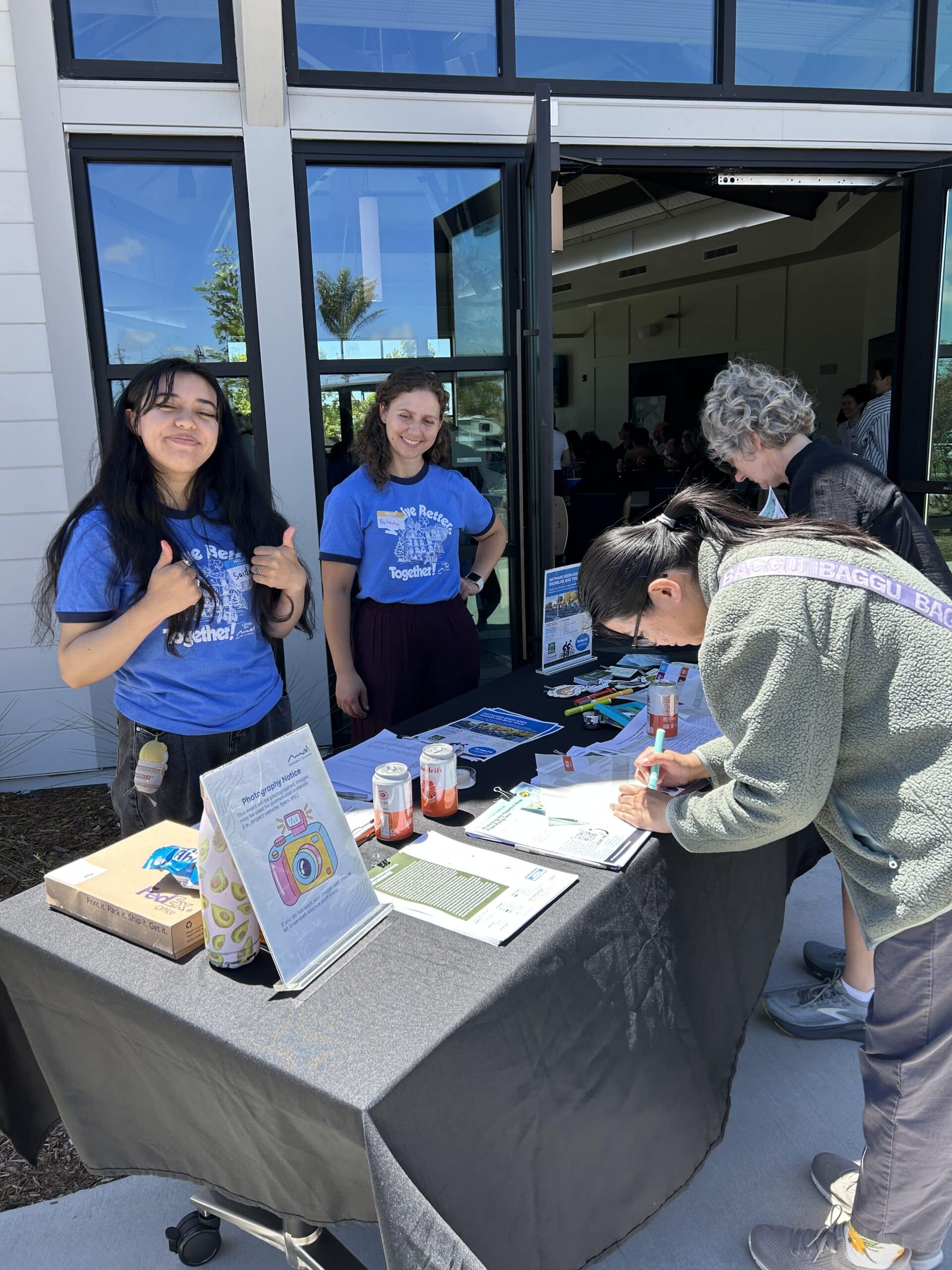
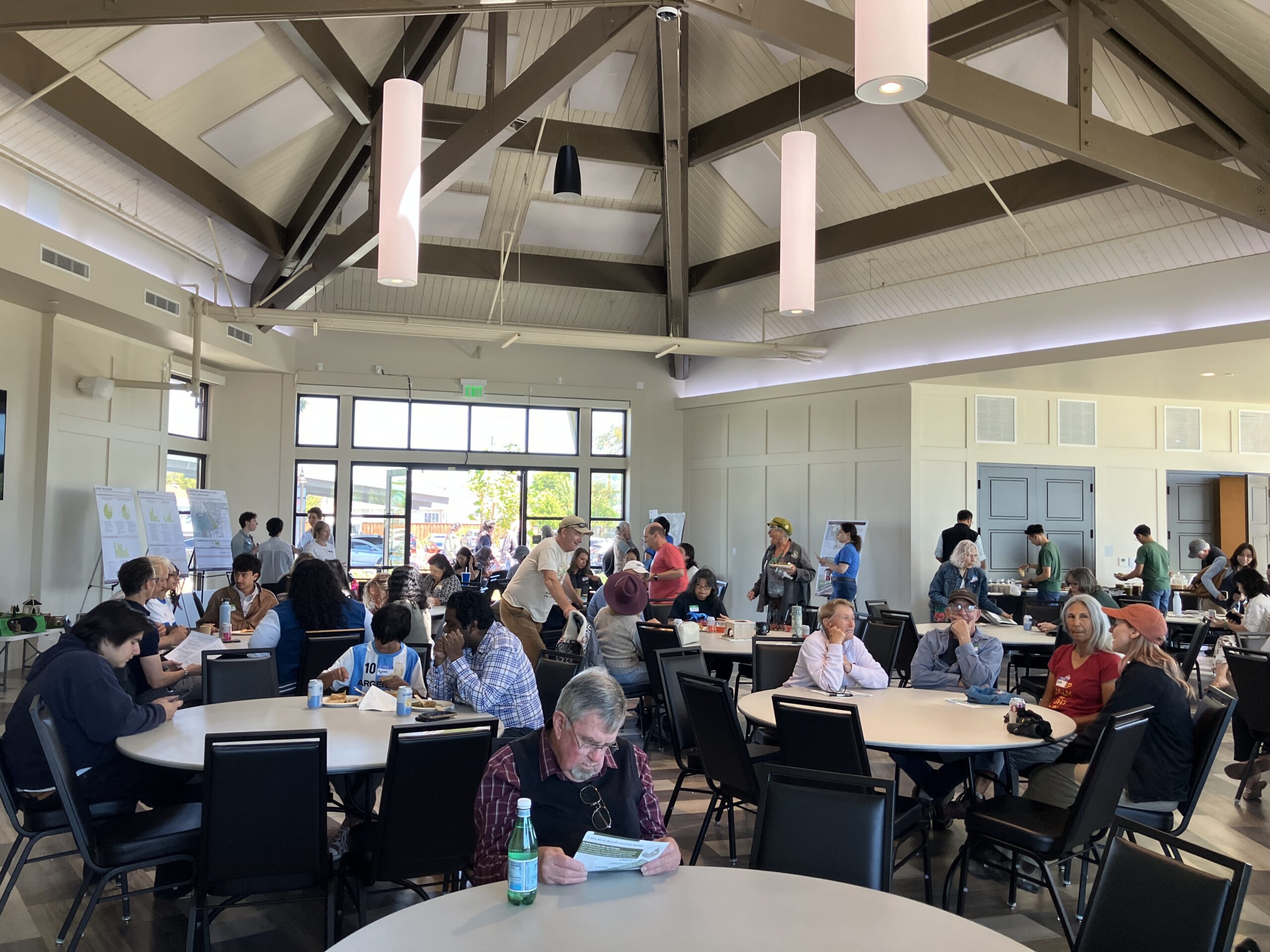
On Saturday, June 27th, Greenbelt Alliance and our partners through the Hayward Eden Area Resilience Collaborative hosted a workshop to learn about the latest sea level rise planning strategies, to explore nature-based solutions like horizontal levees, and to share community perspectives. Almost 100 attendees joined us to learn about the adaptation strategies informing multiple project designs.
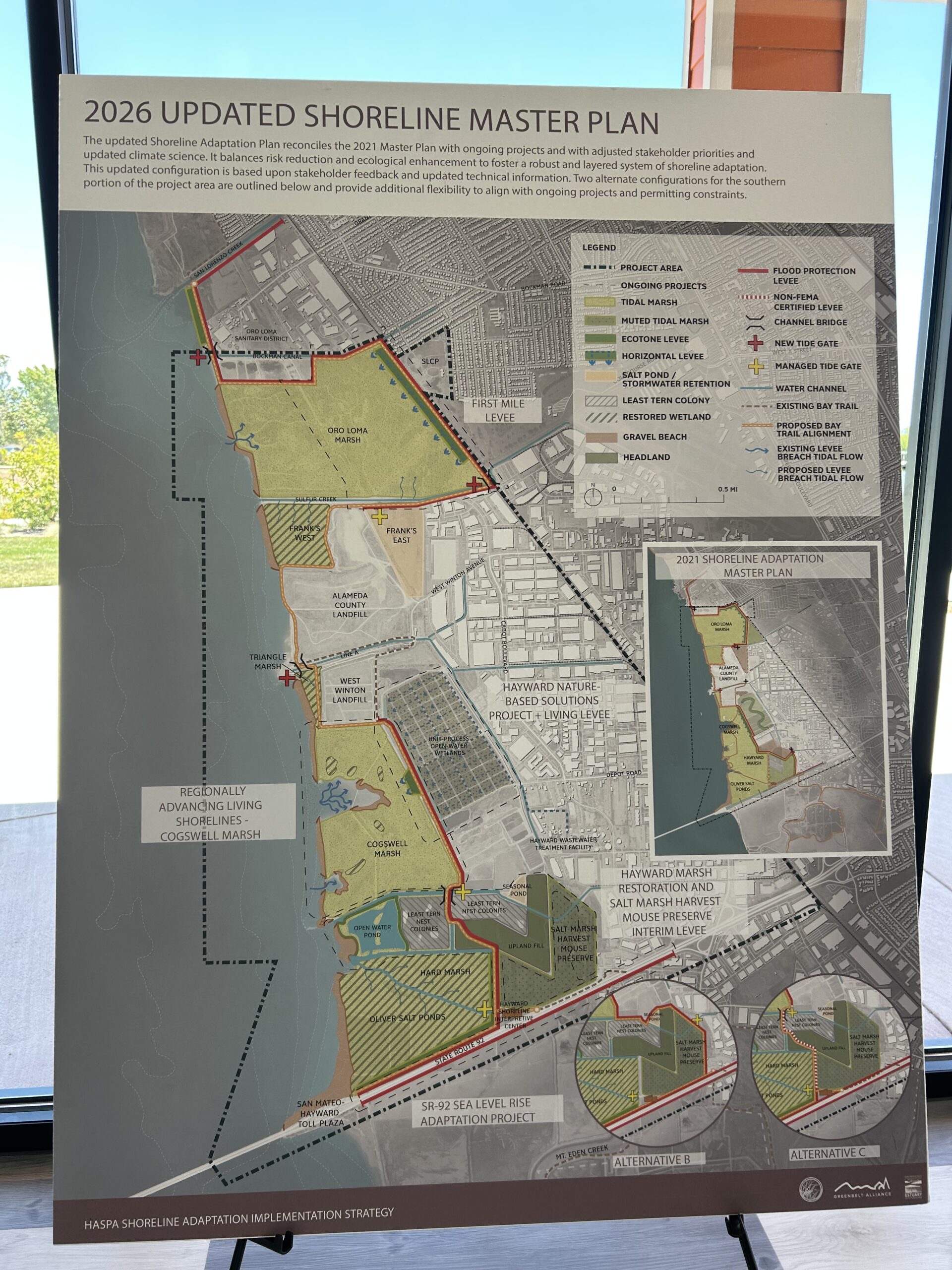
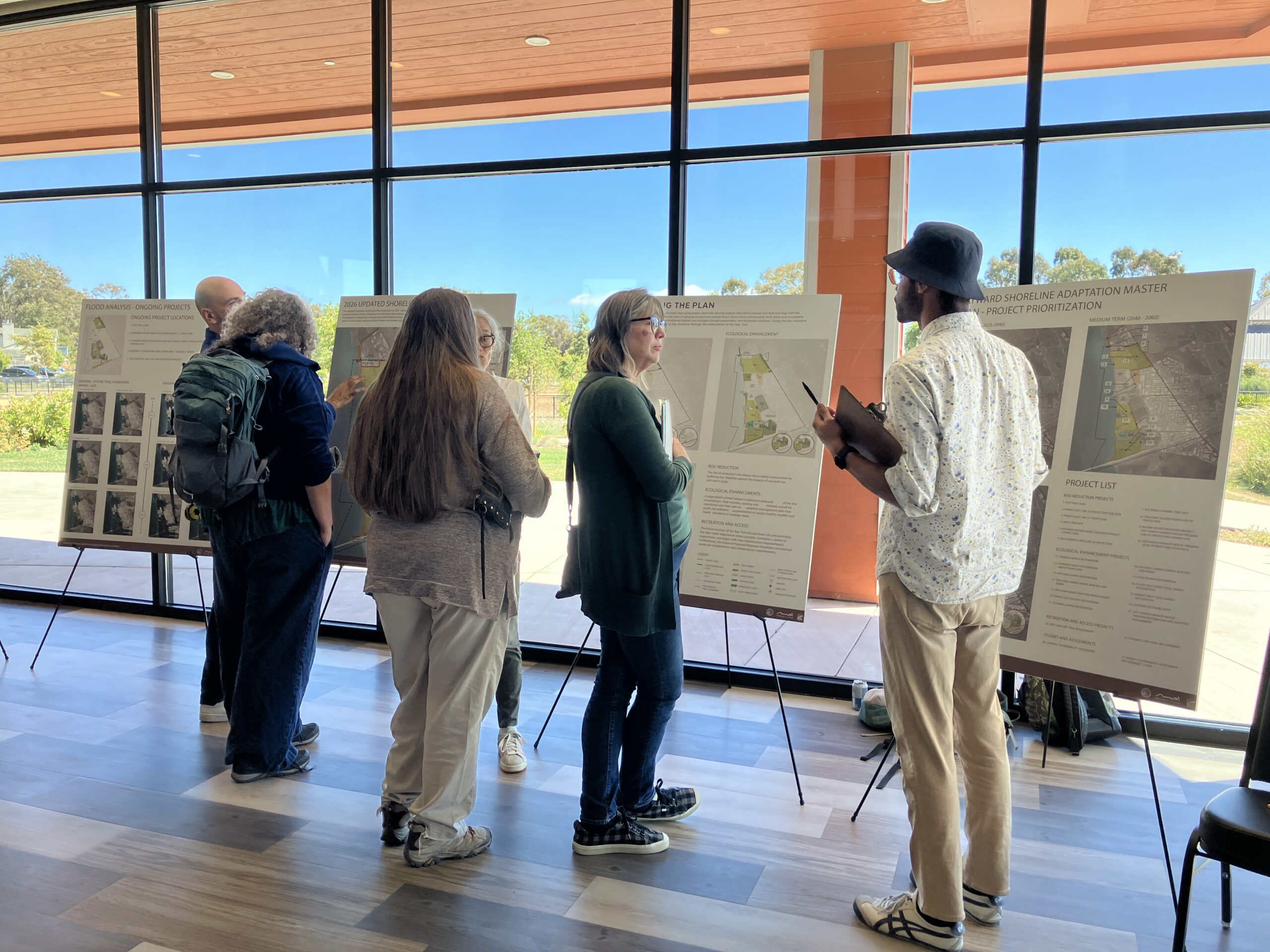
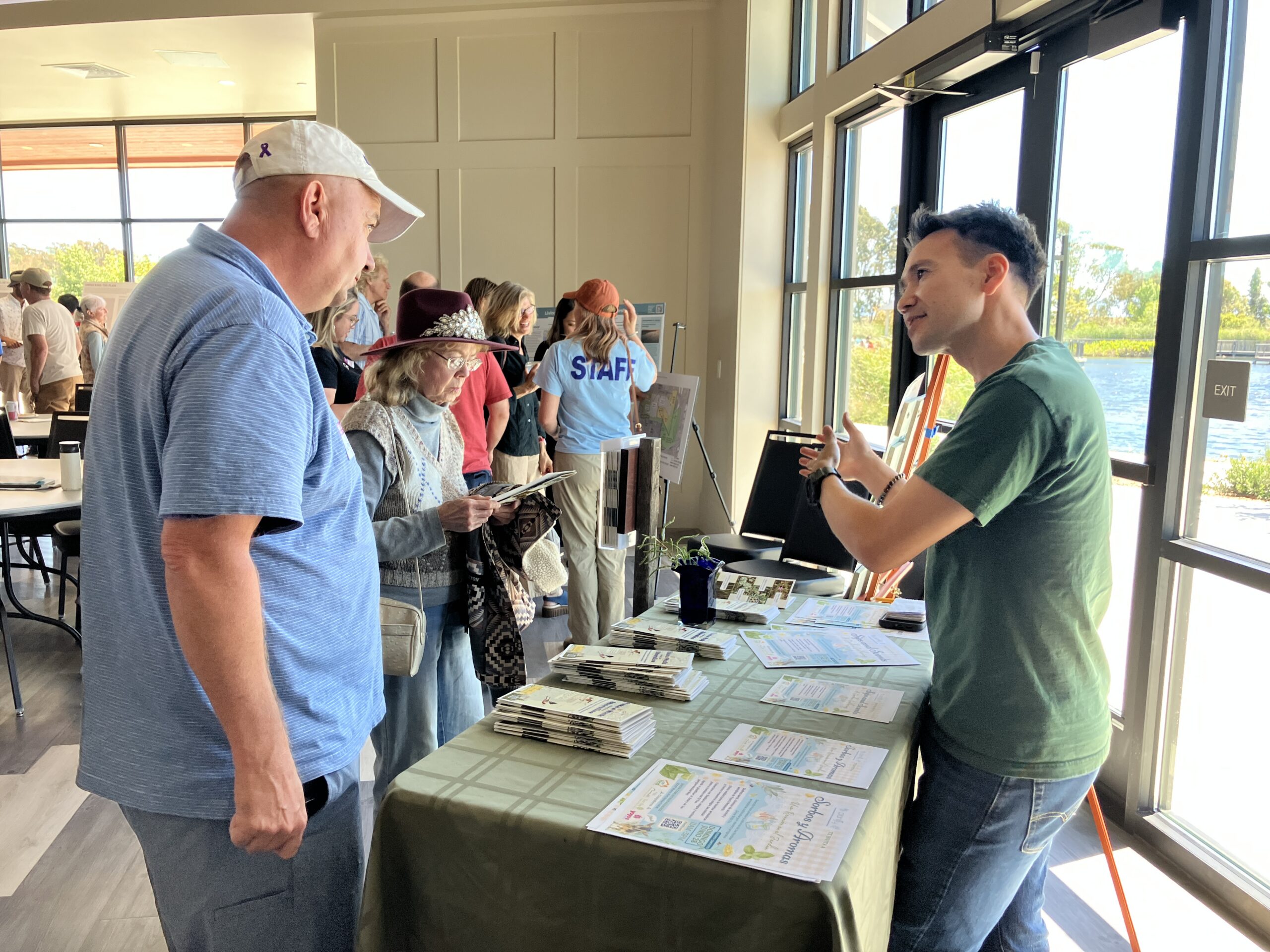
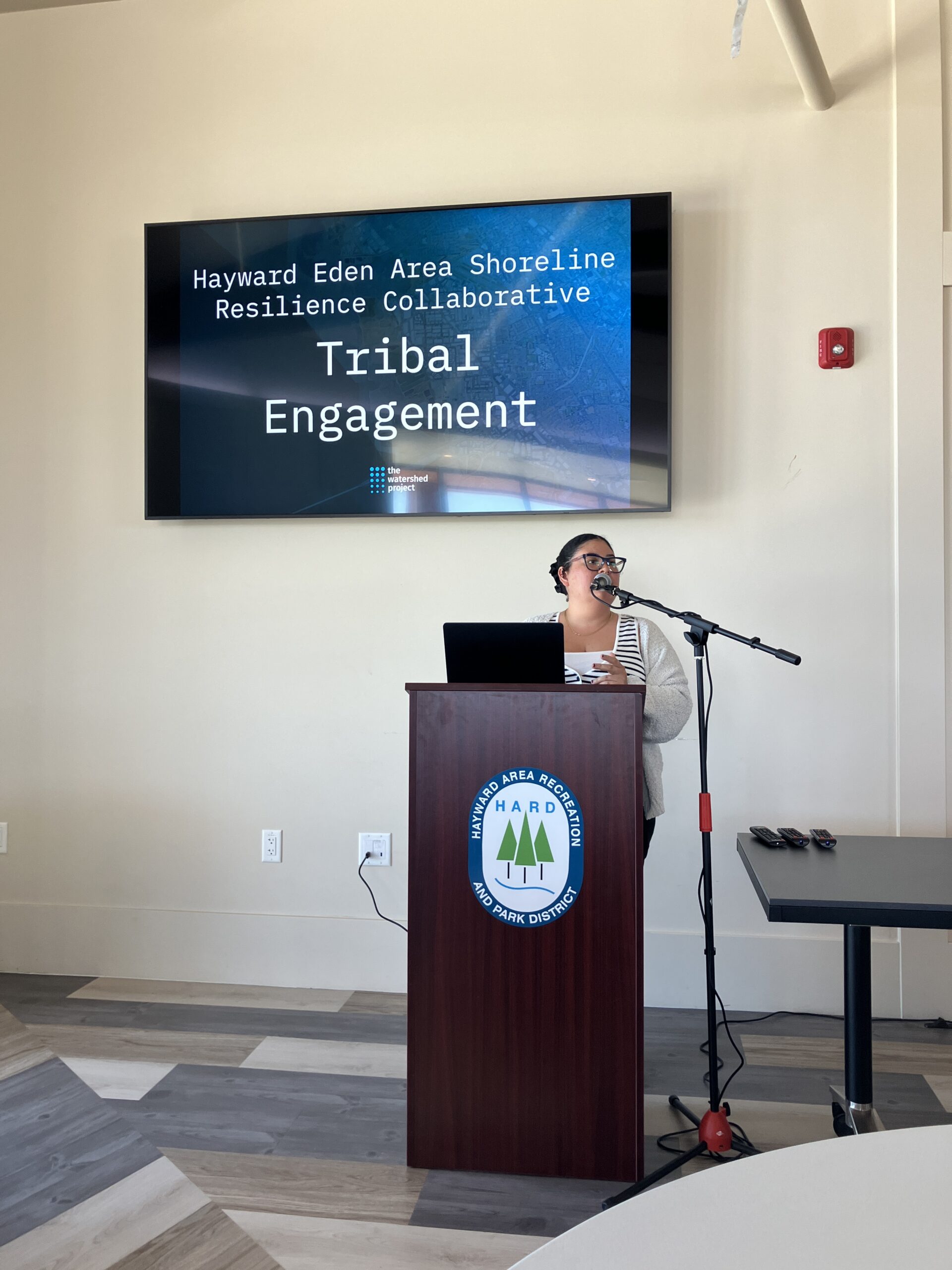
The afternoon kicked off with updates from the project teams, including the Hayward Area Shoreline Planning Agency (HASPA)’s Shoreline Adaptation Implementation Plan, the First Mile Horizontal Levee at Oro Loma Marsh, the Hayward Nature-Based Solutions Project, and the Hayward Marsh Restoration Project. Then attendees explored stations across the room to learn more about the projects and map where they have seen flooding and erosion along the shoreline. During the breakout session, participants were able to speak to planners and designers for each of the projects. Throughout the gallery walk attendees asked questions, gave project feedback, and shared their thoughts on the plans.
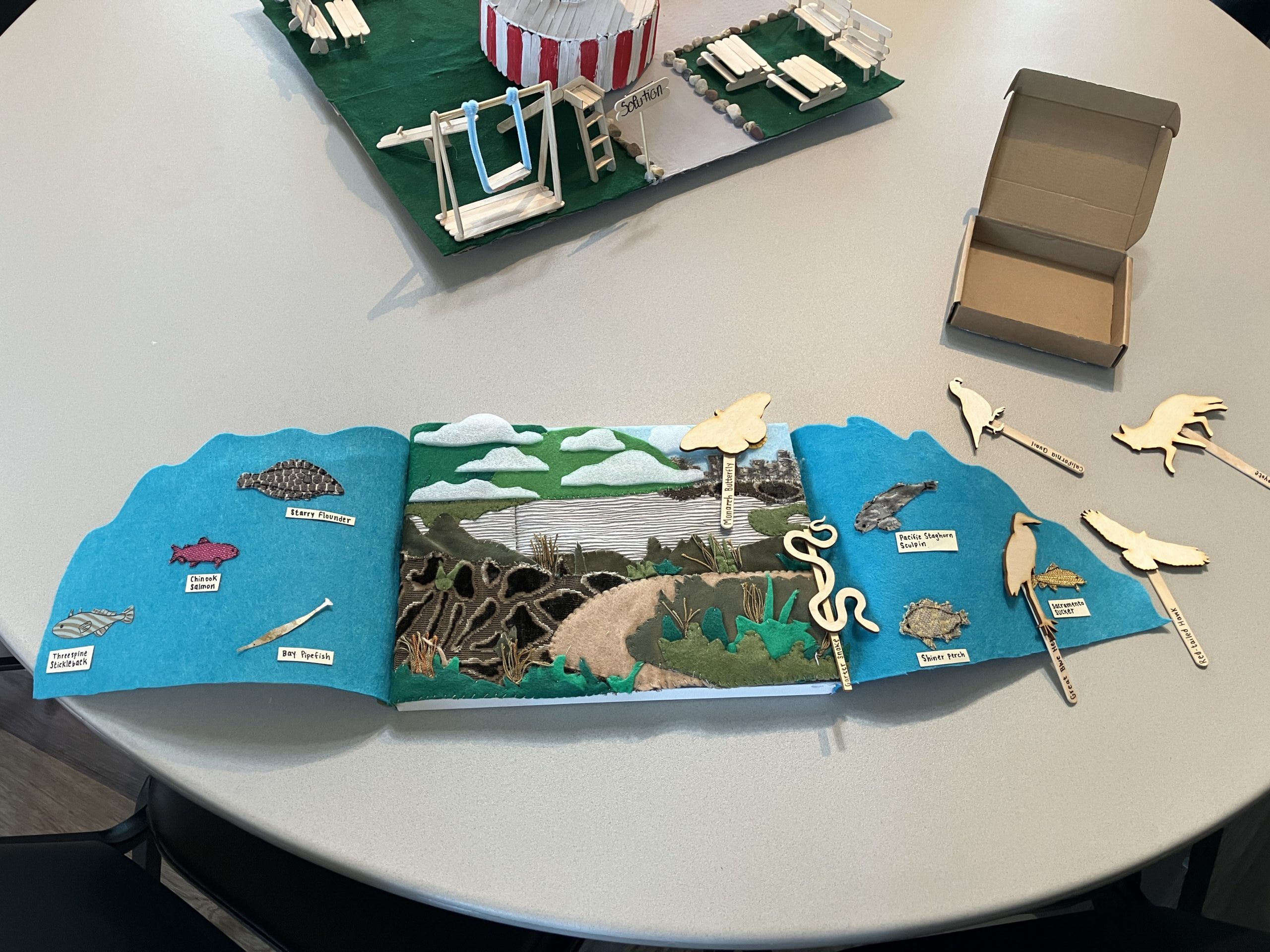
Our team heard from long-term residents who had observed local shoreline flooding, and who on Saturday became aware of the measures being taken to adapt the shoreline to higher sea levels. Additionally, we were joined by Chabot College students who participated through Teach Earth Action to depict their visions for the shoreline through art.
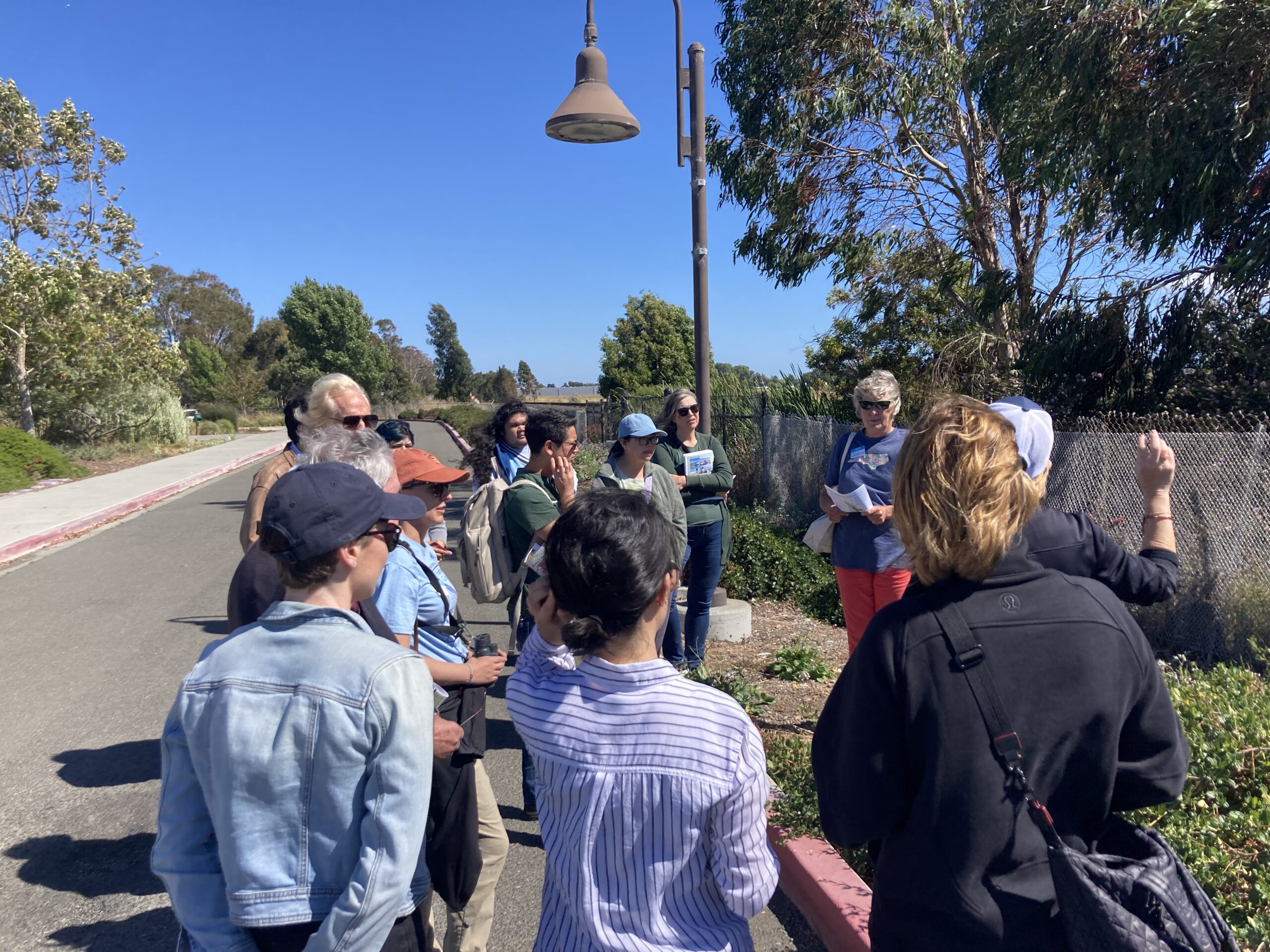
After the workshop, participants got a chance to look at the First Mile Horizontal Levee project site, the biggest horizontal levee to be built in the San Francisco Bay. The site will serve as a vital demonstration and educational reference for future coastal adaptation projects around the Bay. Workshop participants were able to view the project site from the San Lorenzo Community Park. The First Mile Horizontal Levee will become a sloped marsh that will reduce flooding and shoreline erosion, filter treated wastewater, provide vital habitat for shorebirds and young fish, and expand public access.
Looking forward, this summer Greenbelt Alliance will be hosting a bike tour on Saturday July 11th along the Hayward Eden Area shoreline to learn about the project in more depth and hear about how sea level rise is impacting the shoreline today. Interested in the bike tour? Sign up here! Additionally the Collaborative will take the project on tour, tabling at farmers markets and sharing the projects with interest groups in the Hayward Eden Area. Want to stay connected? Reach out at HaywardShoreline@greenbelt.org to join our list.
The Hayward Area Shoreline Resilience Collaborative includes Greenbelt Alliance, Plantify, East Bay Dischargers Authority, The Watershed Project, Teach Earth Action, and San Francisco Estuary Partnership, working with HASPA member agencies: City of Hayward, East Bay Regional Parks District, Hayward Area Recreation and Park District, and Alameda County Mosquito Abatement District.
The post Hayward Eden Area Community Gathers to Advance Sea Level Rise Solutions appeared first on Greenbelt Alliance.
es:events:gta-rd-finalvirtualmeeting-2026-july.es.png - creado
Is the Iran War over? Has it changed the world? A conversation with Eskandar Sadeghi-Boroujerdi
events:gta-rd-finalvirtualmeeting-2026-july.png - created
NSW government’s delay on transition bill leaves coal workers exposed
A Hunter Valley community group is calling on the NSW Government to expedite its own draft legislation to impose workforce support obligations on the owners of closing coal mines, as 300 workers at the Ashton mine this week learned they will lose their jobs in the next 18 months.
How Big Oil Blocked a Plastic Pollution Treaty
URGENT ACTION ALERT: Contact Senator Becker to oppose AB 2215
Dear Friends,
The State Water Contractors are attempting to advance AB 2215 as a legislative solution to DWR’s expired water rights for the State Water Project and the DCP, rather than through proper procedure at the State Water Board. The bill, authored by Assemblymember Calderon, will be heard at the Senate Natural Resources and Water Committee at 9 am on Wednesday, July 1st.
We need your help urging the Chair of the Senate Natural Resources and Water Committee, Senator Becker, to side with Delta communities.
Call Senator Becker at (916) 651-4013.
If passed, AB 2215 would:
- Permit the SWP for construction and increased water diversions through 2046 to the benefit of The Delta Conveyance Project.
- Circumvent existing processes through the State Water Resources Control Board that would both require an Environmental Impact Report; and analyze impacts to public trust, Tribal and environmental justice communities, and the Delta ecosystem.
The Delta is a severely over-allocated system. Any new water infrastructure proposing to increase diversions must go through the regulatory process to protect Delta communities, ecosystem, and local fishing and recreation economies.
TAKE ACTION!
Call Senator Becker at (916) 651-4013 and use this script urging their office to oppose AB 2215:
Hello Senator (LAST NAME),
“I am calling to ask that you oppose AB 2215 and legislative interference in water rights, especially in relation to the Delta Conveyance Project. This bill circumvents existing processes that would provide comprehensive analysis of the impacts of such an extension, and benefits controversial projects like the Delta Conveyance Project. The bill would also eliminate the public’s ability to provide input. I ask that you side with our community that will be negatively impacted by this project rather than State Water Contractors who continuously work to undermine transparency and full inclusion of Californians in water management. The tunnel is a dangerous symptom of ineffective California water management.”
It is time for our Delta communities to come together and stop the machine. Raise your voices and help us fight for the watershed, the Delta, fisheries, Tribes, Delta farming communities, the San Francisco Bay, and the people throughout the state who are impacted one way or another by the Delta Tunnel Boondoggle.
In solidarity,
The Restore the Delta Team
Why Oregon should keep investing in clean trucks and buses
An intimate reckoning with the Weather Underground
This article An intimate reckoning with the Weather Underground was originally published by Waging Nonviolence.
Looking for a quintessentially American book to read this 4th of July?
As we celebrate and/or mourn the 250th birthday of the most militarized, most violent, (almost) most corrupt, most polluting, most inequitable and most sad nation on the face of the Earth, I am reading “Dangerous, Dirty, Violent and Young: A Fugitive Family in the Revolutionary Underground.” Zayd Ayers Dohrn’s new book about his Weatherman parents is more than just a great beach read (which it also is, literally). It is the most appropriate book to read instead of subjecting yourself to a PTSD-triggering fireworks display.
It chronicles a small group of revolutionaries who used dynamite, bombs and guns to blow up buildings, statutes and police cars, break people out of prison and generally make mayhem half a century ago. But it is not just history to view on the page. It says so much to our MAGA moment.
It is a story of history, conscience and memory at a time of AI slop, official lies and active amnesia. It is a story of youthful rebellion against the Vietnam War that matures into revolutionary sabotage, political violence and life “underground” that eventually settles into careers in education and law outside of the mainstream. It is the story of surviving some of the most harrowing political moments of the last half century. It is a story of a family.
I grew up in a very different corner of the left than Ayers Dohrn. There were no drug-fueled orgies, shootouts with the cops or days of rage in the Catholic left. But there was a similar stridency, urgency and seriousness about my family life. There was jail and prison and fear of FBI infiltration and dirty tricks. There were people with no last names who showed up for a meal or a night and headed back into the underground. We also survived separation and secrecy, and I am also not raising my children on the knife’s edge of the revolution. So, Ayers Dohrn’s effort to tell his family’s story with truthfulness, curiosity and distance landed so very true for me.
Don’t need a weatherman to knowWho were the Weathermen? They’ve been memorialized countless times on screens small and large, most recently (sort of) in “One Battle After Another.” But in real life, they were mostly white, mostly college educated, mostly middle-class young people who had been part of Students for a Democratic Society, or SDS, before splintering off from that group in the summer of 1969 to join forces with the Black Panthers and incite revolution, laying waste to what they left behind. They felt like they had tried everything else!
In recounting this episode, Ayers Dohrn was able to use FBI notes and communiques to highlight their role in fomenting the clash between the more progressive and radical factions, manipulating members into all-out conflict with one another and essentially destroying SDS. Ayers Dohrn quotes Weatherman faction leader Mark Rudd reflecting that it was “the single greatest mistake I’ve made in my life … scuttl[ing] America’s largest radical organization — with chapters on hundreds of campus[es], a powerful national identity and enormous growth potential — for a fantasy of revolutionary urban guerrilla warfare.” What could have been is not explored.
#newsletter-block_a0be683c87e13e3e4c65ede99f0f2cae { background: #ECECEC; color: #000000; } #newsletter-block_a0be683c87e13e3e4c65ede99f0f2cae #mc_embed_signup_front input#mce-EMAIL { border-color:#000000 !important; color: #000000 !important; } Sign Up for our NewsletterAt this point, we’d need speculative fiction to spin out the possibilities of true solidarity between the largely white, campus-based antiwar movement and the Black Panther Party and its affiliates. It sure scared the FBI! In fact, in a memo to agents in the field, FBI Director J. Edgar Hoover wrote that SDS and the Black Panther Party working together would “pose a formidable threat. … It would be a definite advantage if these two groups were alienated.”
This story is told with cinematic depth, gleaned from Ayers Dohrn’s interviews with participants and from declassified FBI files. The new organization was small, secretive and “fiercely committed to following the leadership of the Black vanguard, to fighting the police and to going out, if necessary, in a blaze of revolutionary glory.”
A declaration of a state of warThe mostly middle-class, young, white activists had been working on many fronts for years, but their “organizing and peaceful protest had failed to stop the war.” They were going to try something new — but actually it wasn’t new. It was old. It was violence. And, for a time, it was street riots against the police and property damage during protests. But then their friend and Black Panther leader Fred Hampton was assassinated by Chicago police and the FBI in a barrage of 90 bullets. And then the horrors of the My Lai massacre were revealed, and as 1969 became 1970, the Weathermen declared war on the United States.
An FBI wanted poster for Bill Ayers. (FBI)Ayers Dohrn describes a series of bombings at the homes of judges, banks and police stations, and a complicated plan in New York City’s West Village that would have brought the carnage of Vietnam to a military Officer’s Ball at Fort Dix in New Jersey. The Fort Dix plan was thwarted not by the FBI or a rival faction of revolutionaries, but by chemistry. The bombs went off in the 11th Street townhouse the revolutionaries were using as a temporary safe house (while the parents of one of the Weathermen were on a St. Kitts vacation). Three Weathermen were killed in the blast and the house was obliterated. Bill Ayers’ girlfriend at the time was among the dead and he carried that grief and memory into Ayers Dohrn’s life. As a little kid, Zayd remembers going with his father to lay flowers at the site every year.
Recalling that loss, Ayers Dohrn asks his father how he contemplated killing people with those bombs. Bill Ayers responded that “We often said things like, ‘I need to be a tool of the revolution.’ … Or ‘I need to be an instrument of the rebellion.’ And that instrumentalizing of our lives was more than a weakness. It was a horror.”
That realization and the other reflections Ayers Dohrn is able to elicit from his parents as they think back on their roles as revolutionaries are the backbone of this book. Bill and Bernardine Dohrn are able to reflect, see mistakes and missteps, explain their priorities, and accept responsibility for the harms they inflicted because they survived and so many other people who were part of this splinter movement did not.
It was a horrorIt is difficult and brave that Zayd Ayers Dohrn contends with violence and memory without letting anyone — even his mother and father — off the hook. Against the backdrop of an administration and a president that can’t remember, or won’t admit to, crimes of three sentences ago, he holds his father and mother to a high standard. And they can take it. They survived the days of rage and purity tests and self-criticism sessions and the run-ins with the law and stretches of prison and dirty tricks that so many others did not.
His mother, Bernardine Dohrn, is now living with dementia, as is my own mother, and I found his present-day conversations with her the most poignant and difficult of the book. Memory threads all the way through this book. What do we remember? Why do some memories stick?
Ayers Dohrn began his reckoning with family history in an extraordinary 10-part podcast called “Mother Country Radicals,” which was Fred Hampton’s term of endearment for the Weathermen. But as he researches his own past and excavates his own memory, there are things that don’t add up, don’t stitch together, memories that don’t bear up to scrutiny. There are contradictions that he can’t square.
Once the podcast was released, he received letters, diaries and phone calls from old fellow travelers. These new resources, along with 7,833 pages of FBI files, convinced him that there was more to the story and he sat down to write. The book is more in-depth, intimate and searching than the podcast. Ayers Dohrn is less star struck by his parents’ bravado too. Now, he is a parent, too, noting decisions that Bill and Bernadine made that put the family in jeopardy, that were hard for him, that caused him pain. He sees and feels the impact of his parents’ choice of the revolution over parenthood. “Over and over, you can see the same pattern, repeated: Asked to choose between solidarity and family, revolution and love, my parents and their comrades chose the cause almost every time.”
A 1969 mugshot of Bernadine Dohrn from an arrest at a Chicago protest, later circulated by the FBI. (FBI)Family lore had it that Bill and Bernardine hung up their revolutionary bonafides when they became parents. But the documents Ayers Dohrn received after the podcast aired show that was not true. They continued to take risks even after they became parents of Zayd and his younger brother Malik. One memorable camping trip in West Virginia as a family turns out to be a trip to case Alderson Prison for Women where Black Panther leader Assata Shakur was serving out her sentence. She was eventually liberated from prison in another operation and Bill Ayers played a small — but very risky — role in that while Bernardine was home with Zayd.
Ayers Dohrn confronted his dad by asking: “What would have happened, not only to him but to me, my mother and my unborn brother?” Ayers responded: “It was a difficult decision. It felt monumental, it felt important. We were pretty clear that Bernardine would be with you. … But yeah, it was, in retrospect, really risky. And really on the edge.” But in the end, Bill Ayers played his part, “Because it mattered. Because the world needed it to happen.”
They continued to do leg work for the Black Liberation Army and other radical groups like Action Five even after they informally adopted 14-month-old Chesa Boudin. That should have been a clear warning to stop. Kathy Boudin and David Gilbert, Chesa’s parents, had acted as getaway drivers for an Action Five robbery on a Brinks armored truck in October 1981. The job quickly went off the rails and three people injured, and three others were killed — Nyack police officers Edward O’Grady and Waverly Brown, and Peter Paige, one of the team from the Brinks truck. Boudin and Gilbert spent decades in prison for their crimes while the Ayers Dohrn family raised their son.
Life undergroundI described this book to a friend, and she got stuck on the word underground. “Wait,” she demanded, “you mean they lived underground, like moles or Hobbits?” No, they lived under assumed names, worked cash jobs, had fake IDs. They were on the run from the FBI, facing jail time and family separation. They had disappeared from “normal society” and were dependent on friends and fellow travelers for support.
A striking moment in the book comes when Ayers Dohrn recounts that at one of his father’s off-the-books jobs, as a longshoreman in San Francisco, he gets the sense that something is about to go down. Bill Ayers saw men on the rooftops and by the union hall, standing out in their cheap suits and cop-loafers. But he was already at the docks and there was nowhere to run. The docks are all of a sudden swarmed with police and his co-workers started yelling “La Migra! La Migra!”
“It only took a few minutes; the feds rounded them all up, chasing them to the edge of the water or just tackling them down to the concrete of the parking lot. And they let all the white people go” Ayers Dohrn recounts.
Previous CoverageThe officials were not looking for Bill Ayers, of the Weathermen. They were rounding up undocumented immigrants. Ayers Dohrn writes that his father had “always assumed, with the self-centered paranoia of a federal fugitive, that he was the only outlaw hiding out on the docks. … But it turned out that half of the men on his crew were invisible, even to him. They were all living on a different plane, off the grid. Undocumented. Underground.”
In his autobiography “To Dwell in Peace,” my uncle, Father Daniel Berrigan writes that while he was underground, avoiding a prison sentence for the Catonsville 9 action and speaking constantly to young people, he heard that the Weather Underground wanted to dialogue. On Aug. 8, 1970, just a few days before he was captured on Block Island, he made an audio recording and sent it off through intermediaries. It had been just six months since the three Weathermen were killed in the bomb blast on 11th Street.
A new kind of angerIn the message, addressed to his “Brothers and Sisters,” Dan Berrigan invites them to “a new kind of anger which is both useful in communicating and imaginative and slow-burning to fuel the long haul which is the definition of our whole lives.” He calls them away from violence for the sake of violence, noting that there is a great risk that violence “will change people for the worse and harden them against enlightenment.” He continues by sharing that “I hope your lives are about something more than sabotage.”
I looked around for evidence that Dan Berrigan ever sat down with the Weather Underground, or that his message received a reply. I did not find any, but the group did shift tactics after the 11th Street explosion. Ayers Dohrn writes of a meeting that his mother called a few weeks later where the group became the Weather Underground and “disavow[ed] deadly violence going forward.” They did not become paragons of pacifism after this, but they stopped a posture of open warfare against the American people.
In “Absurd Convictions, Modest Hopes: Conversations After Prison with Lee Lockwood,” Dan shares that the Weather Underground did respond to his communications, saying, “In fact the response was almost beyond my hope, because it indicated that they really were serious and were growing more thoughtful about such things.” That’s where that thread ends, as far as I can tell, but it is beautiful to consider the “calling in” and constructive dialogue that could have followed, as both sides — motivated by a fervent commitment to racial equality and an end to war — kept talking.
In his message to the Weather Underground, my uncle has a beautiful formulation of the concept of underground, writing: “Instead of thinking about the underground as temporary or exotic or abnormal, perhaps we are being called upon to start thinking of its implication as an entirely self-sufficient, mobile, internal revival community, so that the underground may be the definition of our future.”
Ayers Dohrn dedicates his book to his wife Rachel and their children Dalin and Light. Late in the book, he writes that “every generation is born into a world desperately in need of transformation, and young people in every era have inherited a struggle — a fight to make things better — that stretches back long before any of them were born.”
#support-block_b5088c5a71c83a0296c5bba2bfc99a70 { background: #000000; color: #ffffff; } Support UsWaging Nonviolence depends on reader support. Make a donation today!
DonateI read “Dangerous, Dirty, Violent and Young” with horror and hope — in equal measure. There is plenty to rage about in the Mother Country these days. You do not have to look far to find a replay of the horrors that radicalized Bill Ayers, Bernardine Dohrn and their friends. The war lust, impunity and corruption of the Trump administration and the craven weaponization of the justice system under FBI Director Kash Patel makes President Richard Nixon and FBI Director J. Edgar Hoover look like Boy Scouts, and that is saying something!
Our society is full of the dirty, dangerous, violent and young, but so much of the violence is turned inward into self-harm and online into self-referential time frittering. It does spill out into the streets and it is political, but it is not, for the most part, organized or coordinated. The political violence of the Weatherman and the Underground that felt so justified and satisfied, that urge to “do something” and to “take a stand,” did do something. But most of that something was sowing chaos, alienating potential allies and narrowing the political space available to others. That violence was used — over and over — to rationalize indiscriminate state-sponsored repression and violence. In the process, almost incidentally, they did build something of value, the idea of an underground, and that persists and continues.
There is a lot of hope here for me in this idea of a permanent underground that sustains and revives, a subculture of connection and support that is not on the same map (literally not plottable) as the systems that exploit and oppress.
Those who survived those harrowing years as fugitives, undergrounders and radicals, built community, raised families, showed up for one another. And they were able to do all that because they survived. Or, perhaps, they survived because they could do all that.
This article An intimate reckoning with the Weather Underground was originally published by Waging Nonviolence.
Lawyers’ Committee Statement on Birthright Citizenship Ruling from Supreme Court
The U.S. Supreme Court on Tuesday struck down President Trump’s order denying birthright citizenship to children born on U.S. soil, affirming that the Fourteenth Amendment means what it has always meant. The Lawyers’ Committee for Civil Rights Under Law, which filed an amicus brief in Trump v Barbara, welcomed the ruling and issued the following:
Dariely Rodriguez, chief counsel at the Lawyers’ Committee for Civil Rights Under Law, said:
“Today’s ruling solidifies what we have known to be true for over a hundred years and what our Constitution and federal laws have supported: that anyone born on American soil, regardless of the legal status of their parents, is born an American citizen. We have endured an incredible test of our collective will as a nation and have prevailed. We are glad ideological gamesmanship failed, and the right result was reached here.”
Olivia Sedwick, counsel at the Lawyers’ Committee for Civil Rights Under Law, said:
“We are satisfied with today’s result, however, we know it should have never been a question from the start. This part of our democracy’s foundation remains intact. The domicile status of one’s parents has never been a part of the calculus to determine who is born an American citizen. We hope this ends the attack on the citizenship of our American-born brothers and sisters who are born to immigrant parents. That question has finally been asked, answered, and laid to rest, hopefully, forever.”
Supreme Court’s Assault on Trans and Intersex Rights
In response to the Supreme Court’s ruling allowing states to ban trans youth and some intersex youth from participating in school sports, the Center for Constitutional Rights released the following statement:
Today's decision confirms what trans and intersex advocates have known for some time: we are in the Plessy v. Ferguson/Bowers v. Hardwick era of trans rights, which is to say that we have entered a period when the legal recognition and legal protections for trans and intersex people are at an all-time low. As was the case for Black Americans after Plessy was rebuked by Brown v. Board of Education, and for the LGBTQIA+ community after Lawrence v. Texas overturned Bowers, eventually this moment will be seen for what it is: a disgrace, a legal wrong, and a failure of moral clarity for which we must atone.
We stand in solidarity with trans and intersex people as they face a wave of persecution and hatred much more vast than is commonly recognized. A comprehensive campaign years in the making – one that includes a raft of executive orders and federal rules driven by anti-LGBTQIA+ animus, 797 anti-trans bills in 43 states (with exceptions impacting intersex youth), efforts to censor speech and punish professors, cuts to funding for nonprofits that serve LGBTQIA+ people, and shameful kowtowing by hospitals – has endangered the health, rights, and safety of trans and intersex people across the country.
The anti-trans policymakers and activists have, through their actions and rhetoric, made their goal clear: to terrorize trans people and remove them from public life.
And yet, with today’s decision, the Supreme Court has once again abdicated duty to be a bulwark against state-sponsored persecution of trans and intersex people that is so severe that, according to the Lemkin Institute for Genocide Prevention and Human Security, trans and intersex people are experiencing the early stages of genocide.
Rather than document this persecutory campaign, the mainstream press has boosted anti-trans propaganda in the deceptive name of “science” and “balance,” while many Democratic Party leaders are sacrificing trans and intersex people on the altar of political expediency.
We cannot defeat hatred with equivocation, we cannot mollify fascists, sadists, and bigots, and we cannot fixate on the presumed predilections of “swing voters” when the rights and wellbeing of fellow citizens are under sustained assault. What is needed is simple yet elusive: unshakable support from the broad left.
Awed and inspired by the courage of trans and intersex people in the face of this mounting threat, we are proud to stand with them, and we are eager to join others ready to bring unwavering fierceness and love to this urgent civil rights struggle.
West Virginia v. BPJ Ruling Will Harm Young Transgender Athletes in Devastating Setback for LGBTQ+ Rights
In response to the Supreme Court decision in West Virginia v. BPJ, Karla Gonzales Garcia, Gender, Sexuality, and Identity Director at Amnesty International USA said:
“This decision comes at a time of rising authoritarian practices under the Trump administration, which use gender and sexuality as a cultural battle for political gain. Amid escalating efforts to legalize discrimination against transgender people, this decision could pave the way for broader laws that exclude transgender people from public life altogether.
“Transgender youth should have the same opportunities afforded to their cisgender peers. Athletic programs are essential to the growth and development of all young people. Today’s ruling would deny transgender youth the ability to participate in recreational activities with their friends and peers – simply due to their gender identity.
“Transgender people are our family, neighbors, friends, coworkers and community members, and the U.S. government will not force them from existence. We are united in solidarity with every young transgender athlete whose future feels less certain today.
“Together, we will continue to fight for a better future – one where transgender people can enjoy their human right to bodily autonomy and a life of freedom, safety and dignity.”
Bloody Red Shrimp: Lakers Spread New Invasive Species into Lake Superior
Corporate Political Spending Surges to Record-Shattering Levels
Nearly one third of all corporate political spending on elections since the 2010 Citizens United decision has occurred in the current election cycle – months before the general election, a new report from Public Citizen finds.
Since the U.S. Supreme Court greenlit direct corporate spending to influence election outcomes in 2010, corporations have spent $1.58 billion on federal elections. In the 2026 election cycle alone, they have spent $517 million, a figure sure to soar as the November general election approaches (these totals reference disclosed political spending, not any contributions from Dark Money organizations that keep donors secret).
The 2026 cycle spending already far exceeds the $461 million corporate spending during the 2024 presidential cycle. Driving this unprecedented surge of political spending are crypto, Big Tech and online betting corporations. Altogether, those three sectors are responsible for 57 percent of the corporate spending in the 2026 midterms. The new corporate spending is going primarily to corporate supremacist super PACs, which, unlike most super PACs, prioritize the interests of specific corporate sectors over either major political party or any particular candidate.
The report, “The Rise of Corporate Supremacist Super PACs,” also finds that the biggest beneficiary of corporate contributions besides the industry-prioritizing super PACs is the Trump-aligned MAGA Inc. MAGA Inc. received $120.6 million in direct contributions from corporations including Crypto.com, Energy Transfer Partners, UnitedHealthcare, and Reynold’s American.
“A decade and a half after Citizens United, corporations are starting to spend on politics like never before,” said Rick Claypool, Research Director at Public Citizen and author of the report. “Crypto corporations shattered norms against corporate spending in elections last cycle and now many others are following suit – and still more are sure to follow.”
“This corporate spending is a disaster for democracy,” said Claypool. “If the current, broken campaign finance system remains unchallenged – and corporate spending is allowed to drown out the voices of real voters and real people – these corporate campaigns will keep multiplying, even as voting rights for individual Americans face escalating attacks.”
Audubon's Assessment for a Resilient Great Salt Lake
Local 6 workers at C&H Sugar in Crockett on strike, demand employer bargain in good faith
Pages
The Fine Print I:
Disclaimer: The views expressed on this site are not the official position of the IWW (or even the IWW’s EUC) unless otherwise indicated and do not necessarily represent the views of anyone but the author’s, nor should it be assumed that any of these authors automatically support the IWW or endorse any of its positions.
Further: the inclusion of a link on our site (other than the link to the main IWW site) does not imply endorsement by or an alliance with the IWW. These sites have been chosen by our members due to their perceived relevance to the IWW EUC and are included here for informational purposes only. If you have any suggestions or comments on any of the links included (or not included) above, please contact us.
The Fine Print II:
Fair Use Notice: The material on this site is provided for educational and informational purposes. It may contain copyrighted material the use of which has not always been specifically authorized by the copyright owner. It is being made available in an effort to advance the understanding of scientific, environmental, economic, social justice and human rights issues etc.
It is believed that this constitutes a 'fair use' of any such copyrighted material as provided for in section 107 of the US Copyright Law. In accordance with Title 17 U.S.C. Section 107, the material on this site is distributed without profit to those who have an interest in using the included information for research and educational purposes. If you wish to use copyrighted material from this site for purposes of your own that go beyond 'fair use', you must obtain permission from the copyright owner. The information on this site does not constitute legal or technical advice.
 This site is not the official webpage of the Industrial Workers of the World.