






You are here
health and safety
 Docket Management System
 The phenomenon of heat stress refers to heat received in excess of that which the body can tolerate without physiological impairment. It is one of the major consequences of global warming. By 2030, the equivalent of more than 2 per cent of total working hours worldwide is projected to be lost every year, either because it is too hot to work or because workers have to work at a slower pace. This report shows the impact of heat stress on productivity and decent work for virtually all countries in the world. It presents innovative solutions based on social dialogue to promote occupational safety and health for the most vulnerable groups of workers.
 At its 329th Session (March 2017), the Governing Body of the International Labour Office decided that a Global Dialogue Forum on decent work in the management of electrical and electronic waste (e-waste) would be held in Geneva. During its 334th Session (October– November 2018), it decided that the date of the meeting would be 9–11 April 2019 and that all interested governments should be invited. Eight Employer and eight Worker participants would be appointed on the basis of nominations made by their respective groups in the Governing Body, and selected intergovernmental organizations and non-governmental organizations would be invited as observers.
 December 3, 1984 was a day of infamy that resounded around the world. Today, we say "No more" to poisoning of people and the planet!
 Sadly, we are becoming used to seeing headlines about the costs of fighting climate change-related wildfires, hurricanes, and floods – most recently, the record wildfire season of 2017. These news reports usually discuss loss in terms of the value of insurance claims – for example, “
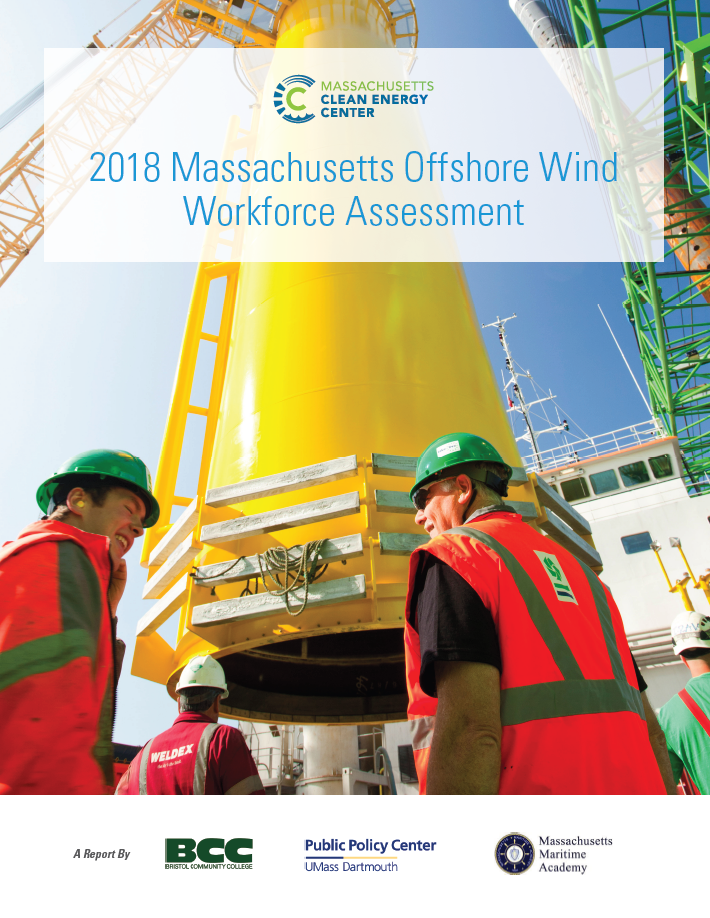 The 2018 Massachusetts Offshore Wind Workforce Assessment provides a comprehensive analysis of the workforce needs and economic development impacts associated with the deployment of 1600 megawatts of offshore wind in Massachusetts. The report describes the jobs associated with planning, constructing and servicing offshore wind projects and provides information on the education, skills and health and safety credentials required for each job. Importantly, the report highlights the opportunities for Massachusetts residents to work in this emerging industry, and identifies recommendations and key strategies to better position the Commonwealth, offshore wind industry, educational institutions, non-profits, and labor to develop and serve a burgeoning offshore wind workforce.
 On September 21st, hundreds of people packed the Oakland City Hall to oppose developer Phil Tagami’s proposal to build a coal export terminal in Oakland. Among them were dozens of union members whose locals were opposing coal as anti-union, a major source of carbon emissions, and a risk to public health in working class neighborhoods through which coal trains would pass and deposit toxic coal dust. One of those union members was Al Marshall, SEIU 1021 City of Oakland Chapter President, who told the council that coal dust would only exacerbate his son’s asthma. We later interviewed Al. Here’s his story.
 The Fine Print I:
Disclaimer: The views expressed on this site are not the official position of the IWW (or even the IWW’s EUC) unless otherwise indicated and do not necessarily represent the views of anyone but the author’s, nor should it be assumed that any of these authors automatically support the IWW or endorse any of its positions.
Further: the inclusion of a link on our site (other than the link to the main IWW site) does not imply endorsement by or an alliance with the IWW. These sites have been chosen by our members due to their perceived relevance to the IWW EUC and are included here for informational purposes only. If you have any suggestions or comments on any of the links included (or not included) above, please contact us.
The Fine Print II:
Fair Use Notice: The material on this site is provided for educational and informational purposes. It may contain copyrighted material the use of which has not always been specifically authorized by the copyright owner. It is being made available in an effort to advance the understanding of scientific, environmental, economic, social justice and human rights issues etc.
It is believed that this constitutes a 'fair use' of any such copyrighted material as provided for in section 107 of the US Copyright Law. In accordance with Title 17 U.S.C. Section 107, the material on this site is distributed without profit to those who have an interest in using the included information for research and educational purposes. If you wish to use copyrighted material from this site for purposes of your own that go beyond 'fair use', you must obtain permission from the copyright owner. The information on this site does not constitute legal or technical advice.
 This site is not the official webpage of the Industrial Workers of the World.