Passed by the Executive Council of the American Federation of Teachers on February 3, 2017:
 WHEREAS, the overwhelming scientific consensus is that climate warming trends over the past century are due to human activities, and most of the world’s leading scientific organizations have issued public statements endorsing this position; and
WHEREAS, we are already experiencing the warming of the planet at a dangerously rapid rate, primarily as a result of our reliance on carbon-based fossil fuels, deforestation and other human activities that have caused a dramatic increase in the global level of carbon dioxide and other greenhouse gases; and
WHEREAS, according to the Congress of South African Trade Unions, there were already, in 2011, 150 million climate refugees around the world, with more certain to follow because “it is the working class, the poor and developing countries that will be most adversely affected by climate change”; and
WHEREAS, unless we curb the emissions that cause climate change, average temperatures in the United States could be at least 3 to 9 degrees Fahrenheit higher by 2100, with consequences including sea-level rise of at least 3 to 6 feet, more frequent extreme hurricanes, more powerful tornadoes, prolonged drought, larger and more frequent wildfires, much more severe winter storms in some areas, reduction to agricultural productivity with resulting food shortages and famine, spread of disease, and a spasm of plant and animal extinctions that threatens to eliminate up to half of all living species on earth; and
WHEREAS, scientists say that there may still be time to prevent the most catastrophic levels of global warming—if we eliminate the burning of fossil fuels worldwide within the next few years; and
WHEREAS, eliminating the burning of fossil fuels is perfectly feasible with existing technology; and
WHEREAS, the known and proven reserves of oil, gas and coal, if extracted and burned, would emit enough carbon to guarantee catastrophic, irreversible global warming within a few decades; and
WHEREAS, emergency measures must be taken to prevent catastrophic increases in global warming that will trigger irreversible changes to our biosphere; and
WHEREAS, at the present rate of carbon emission and consequent global warming, we could reach that tipping point by 2050 or sooner; and
WHEREAS, these developments have sparked a global movement for climate justice, which has taken direct action across North America and around the world to stop fossil fuel extraction, processing and transport; and
WHEREAS, the global movement for climate justice is demanding urgent action by our governments, including an encyclical by Pope Francis that lays out the moral imperative for transforming our economy and social practices; and
WHEREAS, members of the world’s governments, including President Obama, met again in Paris in December 2015 for the Conference of Parties held by the United Nations Framework Convention on Climate Change (COP21) and called for significant reductions in the global use of fossil fuels; and
WHEREAS, we will solve the climate crisis only when we in the labor movement put our unions at the center of the climate justice movement; and
WHEREAS, addressing the climate crisis means immediate emergency measures, including, minimally, leaving all fossil fuels in the ground and retooling our infrastructure to run on renewable sources of energy; and
WHEREAS, the Pentagon and the military-industrial sector that feeds it and feeds off of it together are the largest consumers of fossil fuels and create the largest single source of carbon dioxide emissions on the planet; and
WHEREAS, we have been sold the myth that we must choose between military jobs that do not enhance our nation's security vs. having no job at all; and
WHEREAS, there is no good reason why the richest nation in the world cannot fund protection for its workers as we move toward less military spending and minimal reliance on fossil fuels; and
WHEREAS, millions of good jobs can be created by moving toward greater energy efficiency, reliance on renewal energy, and the rebuilding of our civilian infrastructure; and
WHEREAS, there are several bills before Congress to tax carbon pollution, such as the Climate Protection and Justice Act, which would use the funds to provide rebates to households making less than $100,000 per year; and
WHEREAS, the Clean Energy Worker Just Transition Act is an example of legislation that would protect workers whose jobs were lost because of the transition away from fossil fuels:
WHEREAS, the education and health sectors are, in fact, the epitome of green jobs—low in carbon emissions and vital to the wellbeing of our communities; and
WHEREAS, the American Federation of Teachers has previously passed resolutions at its national conventions calling for an end to the militarization of U.S. foreign policy:
RESOLVED, that the AFT will take its place at the center of the climate justice movement, extending wholehearted solidarity to—and, where possible,participating in—the full spectrum of community efforts for climate justice, including campaigns of public education, ofnonviolent direct action, and for legislative reform and theelection of public officials who genuinely understand the climatecrisis and support our movement’s program; and
Resolved, that the AFT is committed to a transition from fossil fuels to renewable energy; and
RESOLVED, that it is the policy of the AFT that as much as possible most fossil fuels should be left in the ground; and that the AFT will unreservedly support community and legislative efforts such asthe New York state ban on hydraulic fracturing (“fracking”)signed into law by Gov. Andrew Cuomo in 201, and that the AFT will support similar bans in the future; and
RESOLVED, that it is the policy of the AFT to oppose the building of new fossil fuel infrastructure; and that the AFT will support AFT affiliate and community partner efforts to address new fossil fuel infrastructure construction in the way that works best for their community; and
RESOLVED, that it is the policy of the AFT to seek retooling of our infrastructure to run on renewable sources of energy where possible, to include, to begin with, massive expansion of public transit such as proposed by the Amalgamated Transit Union, and the rebuilding and retrofitting for renewable energy of our education and health infrastructure, much of which is crumbling due to long-term neglect by government and business; and
RESOLVED, that the American Federation of Teachers reaffirm its commitment to reduction in the Pentagon budget, with part of the money saved to go to green jobs in the education and health sectors; and
RESOLVED, that the AFT will support legislation that enables a just transition for workers and communities directly affected by the transition to a renewable energy economy, and such legislation should include appropriate protections for workers in the fossil fuel industries and military industries; and that in order to speed the transition toward renewable energy, the AFTwill support legislation that places a fee on carbon pollution.






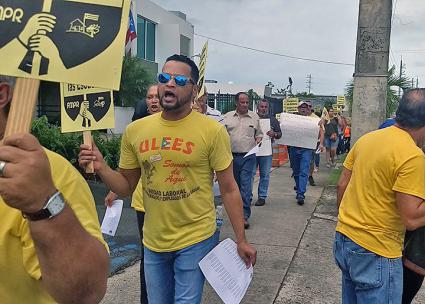 Months after Hurricane Maria struck Puerto Rico, leading to hundreds of deaths and devastating much of the island's infrastructure, ordinary Puerto Ricans are still struggling to put their lives and communities together--with little help from the U.S. government.
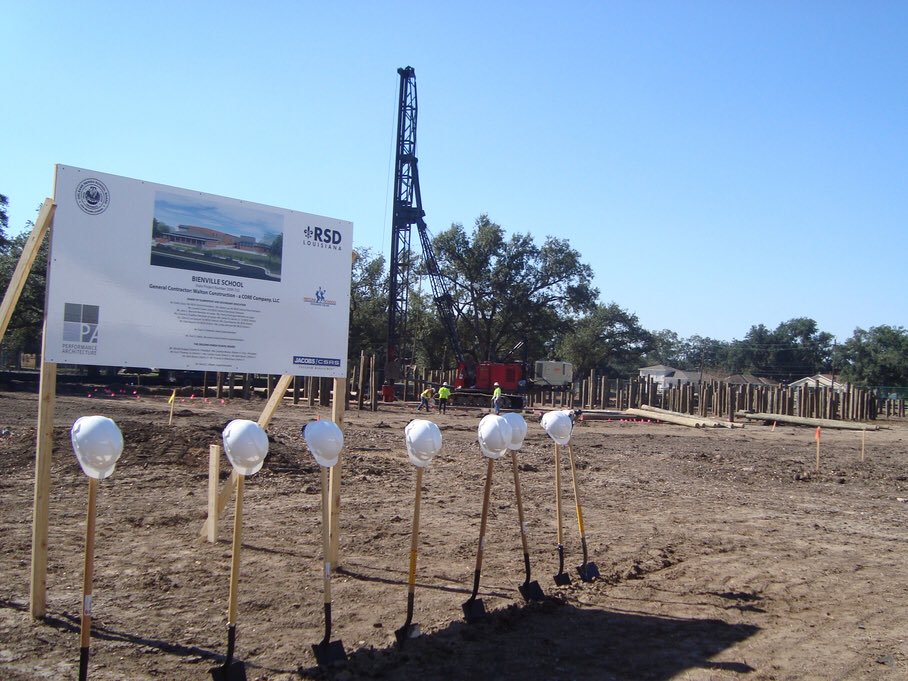 When Nilda Sánchez and her children ventured outside after Hurricane Maria waged a direct hit on Puerto Rico, aluminum road signs were crumpled by the highway near their house and trees crisscrossed each other like slain animals in the street. The power and water were off, and remained so for six weeks. It was nearly three months before Sánchez learned whether another of the mainstays in her family’s life would be restored: her son’s education.
 The subject of climate change has become so socially and politically polarizing that it may be awkward to bring it up in polite conversation if one is not already sure of where others stand on the issue. But climate change is happening, and it’s essential for all to have an accurate understanding of the findings and implications of climate science: climate change is one of the most critical issues of the 21st century. Indeed, in the context of school curricula, it is difficult to imagine a subject that is not in some way affected by climate change or the processes of mitigating or adapting to it, so there are potentially myriad connections of this subject to just about everything that goes on in the classroom.
 This site is not the official webpage of the Industrial Workers of the World.