






You are here
movements, unions, and organizations

 The movement known as Extinction Rebellion (XR) has pushed climate change firmly into the British consciousness, clearing the political hangover left by the never-ending Brexit fog. But there are constructive critiques to this monumental, London-centred climate activism that bear mentioning. Namely, what does this movement need to do to gather enough popular support and halt the ongoing climate meltdown.
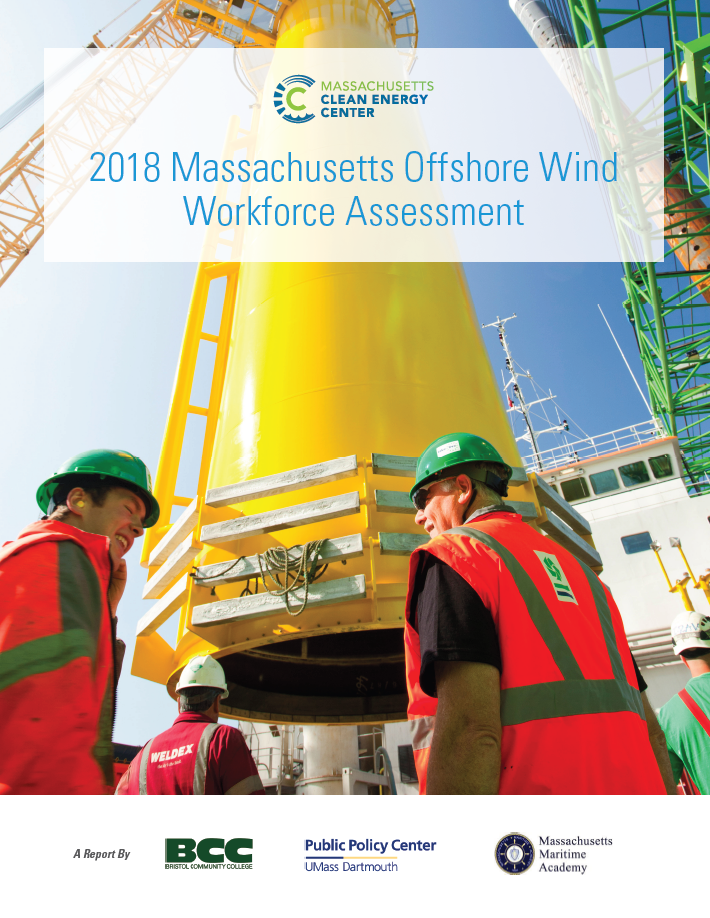 The 2018 Massachusetts Offshore Wind Workforce Assessment provides a comprehensive analysis of the workforce needs and economic development impacts associated with the deployment of 1600 megawatts of offshore wind in Massachusetts. The report describes the jobs associated with planning, constructing and servicing offshore wind projects and provides information on the education, skills and health and safety credentials required for each job. Importantly, the report highlights the opportunities for Massachusetts residents to work in this emerging industry, and identifies recommendations and key strategies to better position the Commonwealth, offshore wind industry, educational institutions, non-profits, and labor to develop and serve a burgeoning offshore wind workforce.
 Over twenty years have passed since governments within the United Nations Framework Convention on Climate Change (UNFCCC) began to discuss the impending climate crisis. Year after year, we witness the talks moving further away from identifying the root causes of climate change while the increasing impacts affect even more peoples and regions. Every meeting has given more space for corporate involvement and less to the voices of those directly affected by these climate policies. Despite the promoters’ fancy “green” campaigns and videos, the main focus at the climate negotiations continues to be about saving the free-market economy for those who are holding the cards – the biggest transnational corporations and financial institutions. The same corporations that are largely behind the destruction of forests, rivers, diversity, territories – as well as the violation of human and collective rights and so on – are also the main polluters and plunderers of the Earth.
The Fine Print I:
Disclaimer: The views expressed on this site are not the official position of the IWW (or even the IWW’s EUC) unless otherwise indicated and do not necessarily represent the views of anyone but the author’s, nor should it be assumed that any of these authors automatically support the IWW or endorse any of its positions.
Further: the inclusion of a link on our site (other than the link to the main IWW site) does not imply endorsement by or an alliance with the IWW. These sites have been chosen by our members due to their perceived relevance to the IWW EUC and are included here for informational purposes only. If you have any suggestions or comments on any of the links included (or not included) above, please contact us.
The Fine Print II:
Fair Use Notice: The material on this site is provided for educational and informational purposes. It may contain copyrighted material the use of which has not always been specifically authorized by the copyright owner. It is being made available in an effort to advance the understanding of scientific, environmental, economic, social justice and human rights issues etc.
It is believed that this constitutes a 'fair use' of any such copyrighted material as provided for in section 107 of the US Copyright Law. In accordance with Title 17 U.S.C. Section 107, the material on this site is distributed without profit to those who have an interest in using the included information for research and educational purposes. If you wish to use copyrighted material from this site for purposes of your own that go beyond 'fair use', you must obtain permission from the copyright owner. The information on this site does not constitute legal or technical advice.
 This site is not the official webpage of the Industrial Workers of the World.