






You are here
first nations
 Colonialism has deprived Indigenous people, and all people who are affected by it, of the means to develop according to our needs, principles and values. It begins with the land. We have been made “Indians” only because we have the most precious commodity to the settler states: land. Vigilante, cop and soldier often stand between us, our connections to the land and justice. “Land back” strikes fear in the heart of the settler. But as we show here, it’s the soundest environmental policy for a planet teetering on the brink of total ecological collapse. The path forward is simple: it’s decolonization or extinction. And that starts with land back.
 This is a work of imagination. But the urgency of the crisis is real, the need for the suggested programs is real, and the data included in these proposals is real.
 Driven by the imperative of climate change, rapid technological development and ageing fossil fuel generation, global energy markets are changing rapidly.
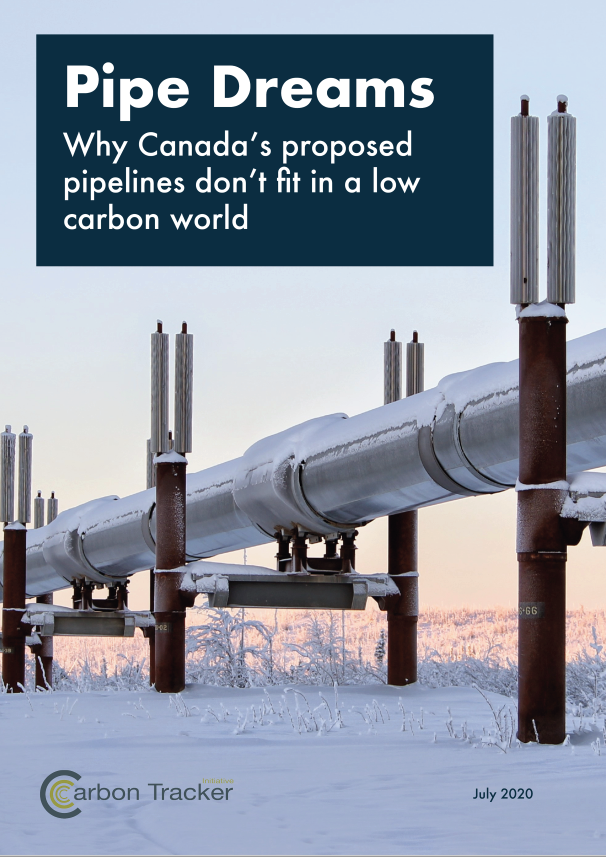 Carbon Tracker’s modelling shows no new oil sands are needed in a low carbon world.
 IMAGINE IT’S 2025 AND BECAUSE OF THE ESCALATING CLIMATE CRISIS, governments in Asia have declared ambitious new climate action plans, including the elimination of metallurgical coal for steel manufacturing within five years, to be replaced by state-of-the-art hydrogen-powered furnaces; and an aggressive transition off of natural gas and toward renewables within a dec-ade. After a short period of time, BC’s fossil fuel exports dry up, workers are laid off and local communities get hit with declines in both public- and private-sector jobs due to falling incomes.
 This report explains that Alberta will have little coal-fired electricity left by the end of 2023, six years ahead of the federally mandated coal phaseout deadline of December 31, 2029. This relatively rapid transition away from coal power is the result of numerous decisions made since 2007 by various provincial and federal governments, a few arms-length agencies of the Alberta government, and several large publicly traded corporations that produce electricity for the Alberta market. Our report aims to evaluate Alberta’s electricity transition to date against principles and lessons gleaned from the just transition literature.
The Fine Print I:
Disclaimer: The views expressed on this site are not the official position of the IWW (or even the IWW’s EUC) unless otherwise indicated and do not necessarily represent the views of anyone but the author’s, nor should it be assumed that any of these authors automatically support the IWW or endorse any of its positions.
Further: the inclusion of a link on our site (other than the link to the main IWW site) does not imply endorsement by or an alliance with the IWW. These sites have been chosen by our members due to their perceived relevance to the IWW EUC and are included here for informational purposes only. If you have any suggestions or comments on any of the links included (or not included) above, please contact us.
The Fine Print II:
Fair Use Notice: The material on this site is provided for educational and informational purposes. It may contain copyrighted material the use of which has not always been specifically authorized by the copyright owner. It is being made available in an effort to advance the understanding of scientific, environmental, economic, social justice and human rights issues etc.
It is believed that this constitutes a 'fair use' of any such copyrighted material as provided for in section 107 of the US Copyright Law. In accordance with Title 17 U.S.C. Section 107, the material on this site is distributed without profit to those who have an interest in using the included information for research and educational purposes. If you wish to use copyrighted material from this site for purposes of your own that go beyond 'fair use', you must obtain permission from the copyright owner. The information on this site does not constitute legal or technical advice.
 This site is not the official webpage of the Industrial Workers of the World.