






You are here
green jobs
 This report describes the development and analysis of a clean energy pathway for a 10-county region in southwestern Pennsylvania. Due to its abundance of fossil fuel resources, the region has a long history of substantial energy production, often at the expense of local environmental quality and economic diversity. A transition to clean energy provides a compelling opportunity to transform the local energy profile, while ending the region’s overreliance on fossil fuels, to reduce emissions and pursue a path of sustainable growth.
 Aviation workers are facing the twin threats of the climate emergency and the global jobs crisis. Criticism of aviation greenhouse gas (GHG) emissions has created job-loss fears for many aviation workers. Although it is understood that decarbonisation will involve many changes, and that some jobs and functions may change, it is important to mitigate this as far as possible with long-term planning. Recent experience demonstrates how harmful short-term thinking can be. An average of 40 percent of aviation workers lost their jobs during the Covid-19 pandemic. As the industry recovers, it is now facing critical labour shortages with vast amounts of expertise being lost to the industry forever. Employment security for all workers can be built around a long-term employment road map.
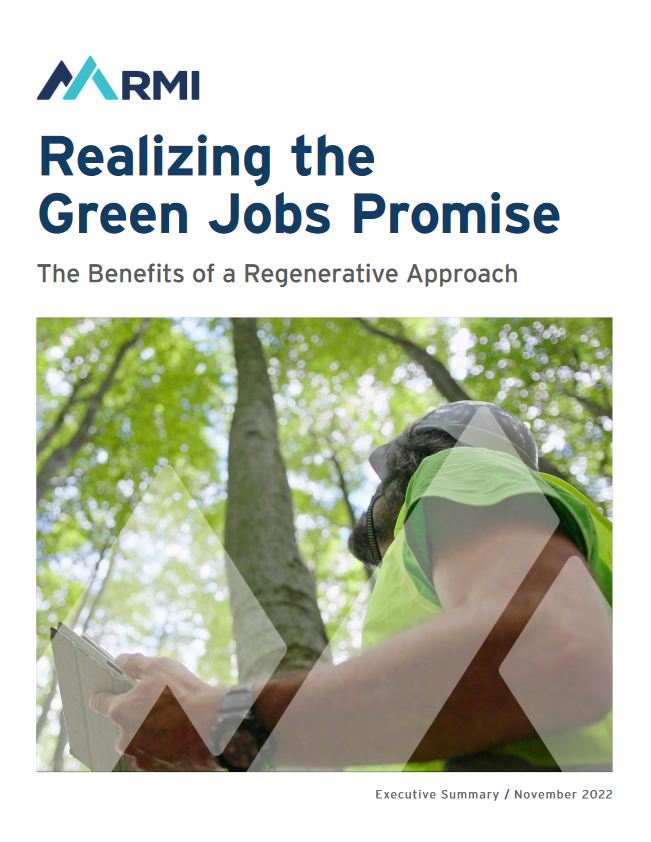 The switch to a carbon-free economy is the biggest economic opportunity of our era. The International Energy Agency and other analysts have predicted that this wave of market-driven innovation will create two to six “green jobs” for each fossil fuel job lost. The promised jobs are already arriving — the 2022 Annual Review by the International Labour Organization and the International Renewable Energy Agency reported that renewables alone had created more than 12 million jobs as of 2021.
The Fine Print I:
Disclaimer: The views expressed on this site are not the official position of the IWW (or even the IWW’s EUC) unless otherwise indicated and do not necessarily represent the views of anyone but the author’s, nor should it be assumed that any of these authors automatically support the IWW or endorse any of its positions.
Further: the inclusion of a link on our site (other than the link to the main IWW site) does not imply endorsement by or an alliance with the IWW. These sites have been chosen by our members due to their perceived relevance to the IWW EUC and are included here for informational purposes only. If you have any suggestions or comments on any of the links included (or not included) above, please contact us.
The Fine Print II:
Fair Use Notice: The material on this site is provided for educational and informational purposes. It may contain copyrighted material the use of which has not always been specifically authorized by the copyright owner. It is being made available in an effort to advance the understanding of scientific, environmental, economic, social justice and human rights issues etc.
It is believed that this constitutes a 'fair use' of any such copyrighted material as provided for in section 107 of the US Copyright Law. In accordance with Title 17 U.S.C. Section 107, the material on this site is distributed without profit to those who have an interest in using the included information for research and educational purposes. If you wish to use copyrighted material from this site for purposes of your own that go beyond 'fair use', you must obtain permission from the copyright owner. The information on this site does not constitute legal or technical advice.
 This site is not the official webpage of the Industrial Workers of the World.