






You are here
energy
 The COVID-19 crisis poses a threat to people’s health, their jobs and their lives, and like all crises, exacerbates already existing inequalities. Trillions in public finance will be needed to get through the current pandemic. This briefing outlines why continuing to rely on fossil fuels, in particular oil and gas, is not compatible with long-term recovery. It does not make sense to use the COVID-19 stimulus packages to try to revive a sunsetting industry which will not deliver on economic recovery, only to shut it down a few years later to meet climate goals.
 As the international community moves to act on the climate crisis, governments are increasingly being forced to reckon with the social and economic costs of climate policies. The production and consumption of fossil fuels is the primary driver of global heating, so shifting to cleaner alternatives is necessary for long-term environmental and economic sustainability. However, the global economy is highly dependent on fossil fuels, so declines in the production and consumption of coal, oil and natural gas have the potential to negatively impact large numbers of workers and their communities in the short to medium term. In Canada alone, the fossil fuel industry accounts for hundreds of thousands of jobs and more than $100 billion dollars worth of economic output.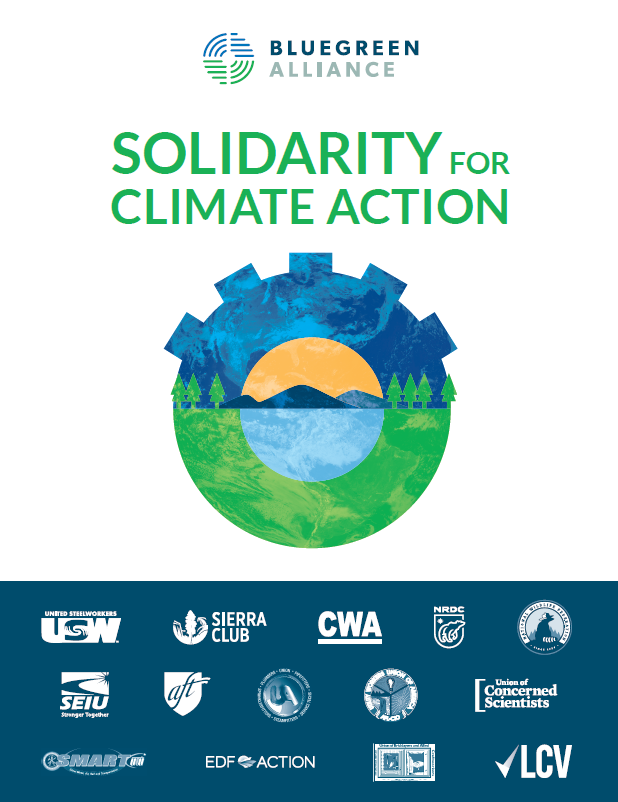


The Fine Print I:
Disclaimer: The views expressed on this site are not the official position of the IWW (or even the IWW’s EUC) unless otherwise indicated and do not necessarily represent the views of anyone but the author’s, nor should it be assumed that any of these authors automatically support the IWW or endorse any of its positions.
Further: the inclusion of a link on our site (other than the link to the main IWW site) does not imply endorsement by or an alliance with the IWW. These sites have been chosen by our members due to their perceived relevance to the IWW EUC and are included here for informational purposes only. If you have any suggestions or comments on any of the links included (or not included) above, please contact us.
The Fine Print II:
Fair Use Notice: The material on this site is provided for educational and informational purposes. It may contain copyrighted material the use of which has not always been specifically authorized by the copyright owner. It is being made available in an effort to advance the understanding of scientific, environmental, economic, social justice and human rights issues etc.
It is believed that this constitutes a 'fair use' of any such copyrighted material as provided for in section 107 of the US Copyright Law. In accordance with Title 17 U.S.C. Section 107, the material on this site is distributed without profit to those who have an interest in using the included information for research and educational purposes. If you wish to use copyrighted material from this site for purposes of your own that go beyond 'fair use', you must obtain permission from the copyright owner. The information on this site does not constitute legal or technical advice.
 This site is not the official webpage of the Industrial Workers of the World.