






You are here
capital blight
 New technologies, accelerating climate change, shifting migration patterns, changes in economic and political norms, and a host of other trends are likely to impact—and indeed already are impacting—key features of work and employment, including management relationships, the types of jobs available, compensation patterns, and other issues that shape the day-to-day lives of working people.
 In 2015, governments around the world committed to hold global warming to well below 2 degrees Celsius (°C) and to strive to limit warming to 1.5°C by adopting the Paris Agreement. This analysis shows that since the Paris Agreement was made, G20 countries have acted directly counter to it by providing at least USD 77 billion a year in finance for oil, gas, and coal projects through their international public finance institutions. These countries provided more than three times as much support for fossil fuels as for clean energy.
 Major restructuring and consolidation of the Alberta-dominated Canadian oil and gas industry has been taking place since 2014 (Hussey et al. 2018), when the lower-for-longer oil price scenario in which the province still finds itself began.
 What could be wrong about planting trees? Haven’t communities around the world been planting a diversity of trees since the dawn of human civilization?
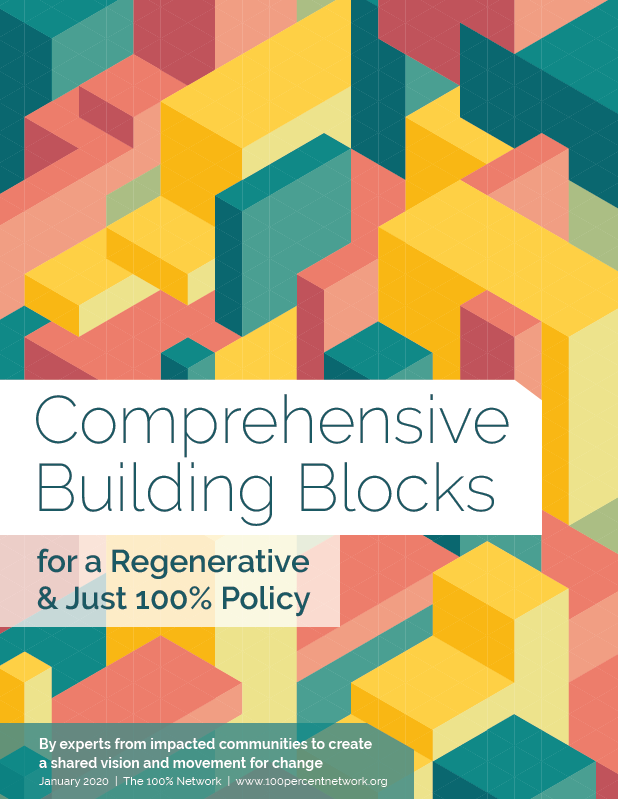 The 100% Network launched a new effort to bring forward and coalesce the expertise from frontline communities into the Comprehensive Building Blocks for a Regenerative and Just 100% Policy. This groundbreaking and extensive document lays out the components of an 100% policy that centers equity and justice.
  This report explains that Alberta will have little coal-fired electricity left by the end of 2023, six years ahead of the federally mandated coal phaseout deadline of December 31, 2029. This relatively rapid transition away from coal power is the result of numerous decisions made since 2007 by various provincial and federal governments, a few arms-length agencies of the Alberta government, and several large publicly traded corporations that produce electricity for the Alberta market. Our report aims to evaluate Alberta’s electricity transition to date against principles and lessons gleaned from the just transition literature.
 The farm crisis is real, as is the climate crisis. Left unchecked, the climate crisis will dramatically deepen the income crisis on Canada’s farms as farmers struggle to deal with continued warming, more intense storms, and increasingly unpredictable weather. It is clear that climate change represents a major challenge to agriculture, but it also represents an opportunity.
The Fine Print I:
Disclaimer: The views expressed on this site are not the official position of the IWW (or even the IWW’s EUC) unless otherwise indicated and do not necessarily represent the views of anyone but the author’s, nor should it be assumed that any of these authors automatically support the IWW or endorse any of its positions.
Further: the inclusion of a link on our site (other than the link to the main IWW site) does not imply endorsement by or an alliance with the IWW. These sites have been chosen by our members due to their perceived relevance to the IWW EUC and are included here for informational purposes only. If you have any suggestions or comments on any of the links included (or not included) above, please contact us.
The Fine Print II:
Fair Use Notice: The material on this site is provided for educational and informational purposes. It may contain copyrighted material the use of which has not always been specifically authorized by the copyright owner. It is being made available in an effort to advance the understanding of scientific, environmental, economic, social justice and human rights issues etc.
It is believed that this constitutes a 'fair use' of any such copyrighted material as provided for in section 107 of the US Copyright Law. In accordance with Title 17 U.S.C. Section 107, the material on this site is distributed without profit to those who have an interest in using the included information for research and educational purposes. If you wish to use copyrighted material from this site for purposes of your own that go beyond 'fair use', you must obtain permission from the copyright owner. The information on this site does not constitute legal or technical advice.
 This site is not the official webpage of the Industrial Workers of the World.